Chile
Santiago and the Andes, Maipo Valley wineries and the moai of Rapa Nui (Easter Island): Chile pairs city, wine country and Pacific culture.
Why go
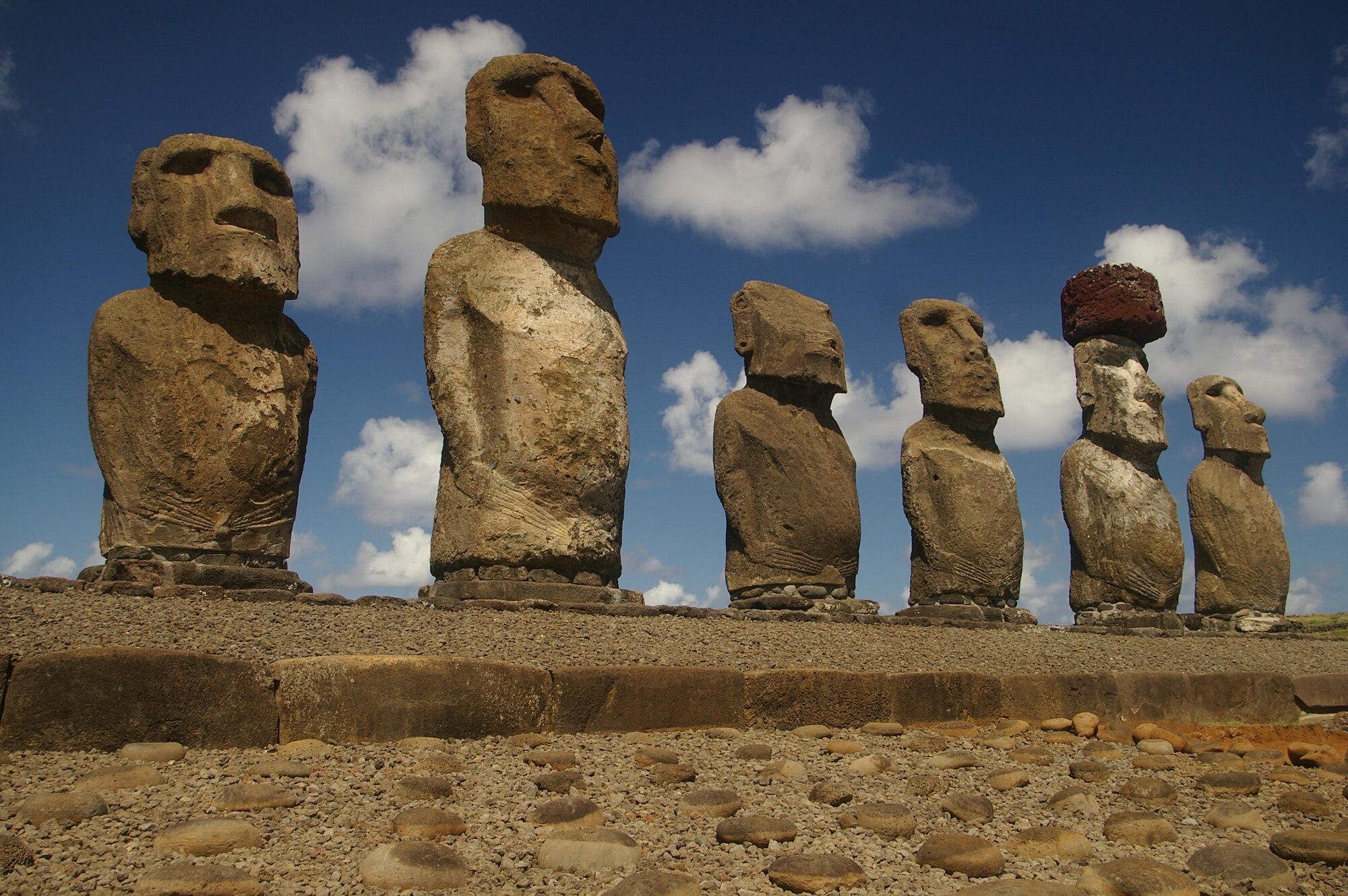
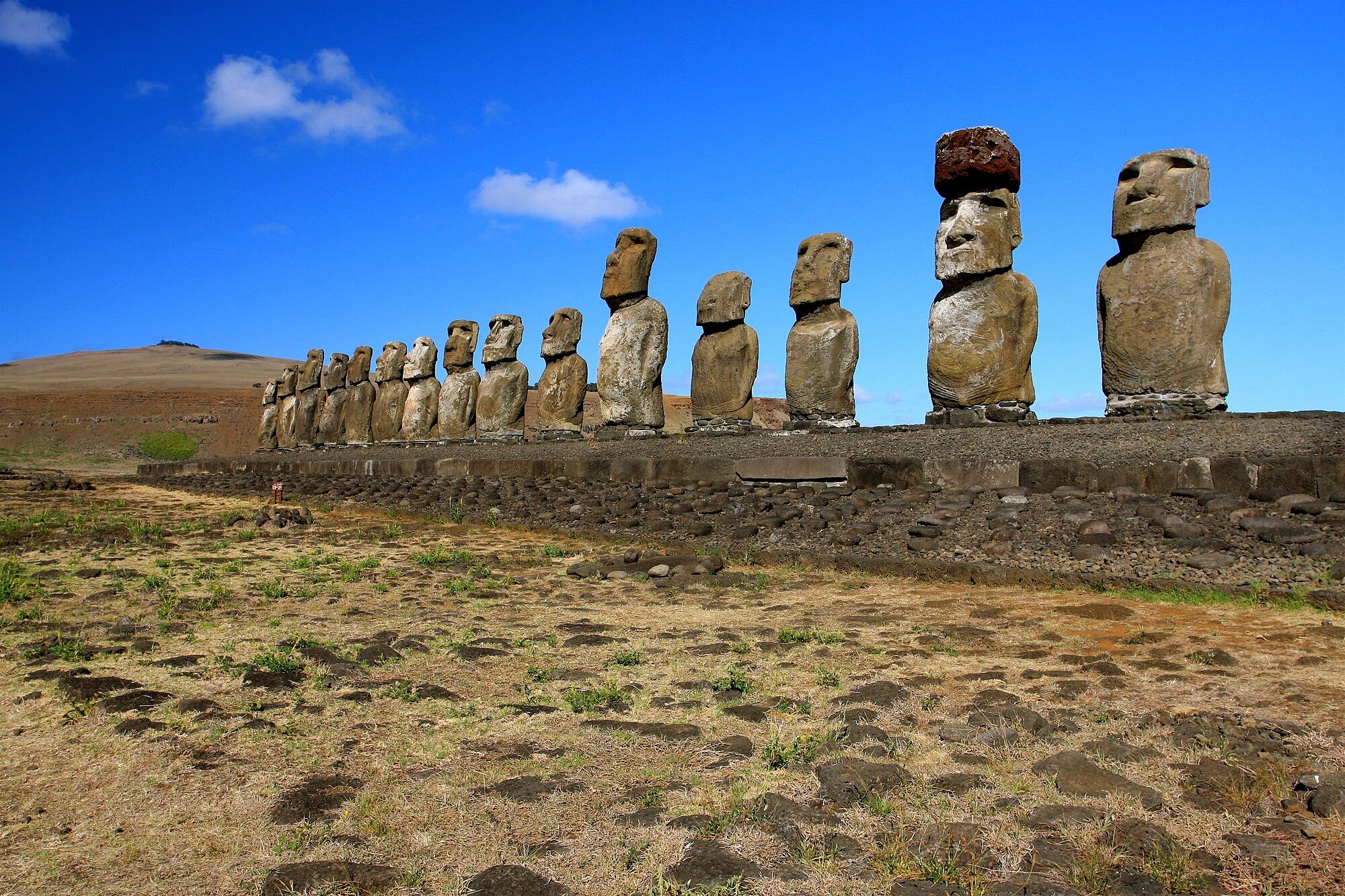
Chile is a ribbon of a country squeezed between the Andes and the Pacific, and a first trip here pairs two very different worlds. On the mainland, Santiago is a lively, easy-going capital with the snow-capped Andes on its doorstep, and some of South America's best-known vineyards lie less than an hour from the centre. Out in the Pacific, around 3,700 km offshore, Rapa Nui (Easter Island) is home to the moai, the giant stone figures carved by the island's ancestors, and the whole of Rapa Nui National Park is a UNESCO World Heritage Site.
When to go
Chile's seasons are the reverse of the UK's. December to February is summer: Santiago is hot and dry, with clear afternoons often above 30 °C, and it's the classic time for wine-country days and Andes excursions. Spring (September to November) and autumn (March to May, the grape harvest) are milder and quieter. Rapa Nui is subtropical and warm all year; January and February are the warmest months, and February brings the Tapati festival of Rapa Nui culture.
Getting there from the UK
There are no direct flights from the UK to Chile. Most journeys connect in a South American or European hub; Avianca, for example, flies from London Heathrow to Bogotá in about 10 to 11 hours, with onward flights to Santiago. Rapa Nui is reached on a domestic flight from Santiago of about five and a half hours, operated by LATAM. Mainland Chile is three hours behind the UK in the northern winter, and Rapa Nui two hours behind Santiago.
Where to stay
- Vitacura and Las Condes (Santiago): leafy, safe neighbourhoods in the east of the city, with restaurants, galleries, parks and shopping; a comfortable base for city tours and day trips to the vineyards.
- Lastarria and Bellavista (Santiago): closer to the historic centre, with cafés, bars and street life at the foot of Cerro San Cristóbal.
- Hanga Roa (Rapa Nui): the island's only town, with small hotels, guesthouses, restaurants and the harbour; tours to the moai sites leave from here.
What to do
- Walk Santiago's historic centre, from the Plaza de Armas to La Moneda palace, and ride the cable car up Cerro San Cristóbal for views over the city to the Andes.
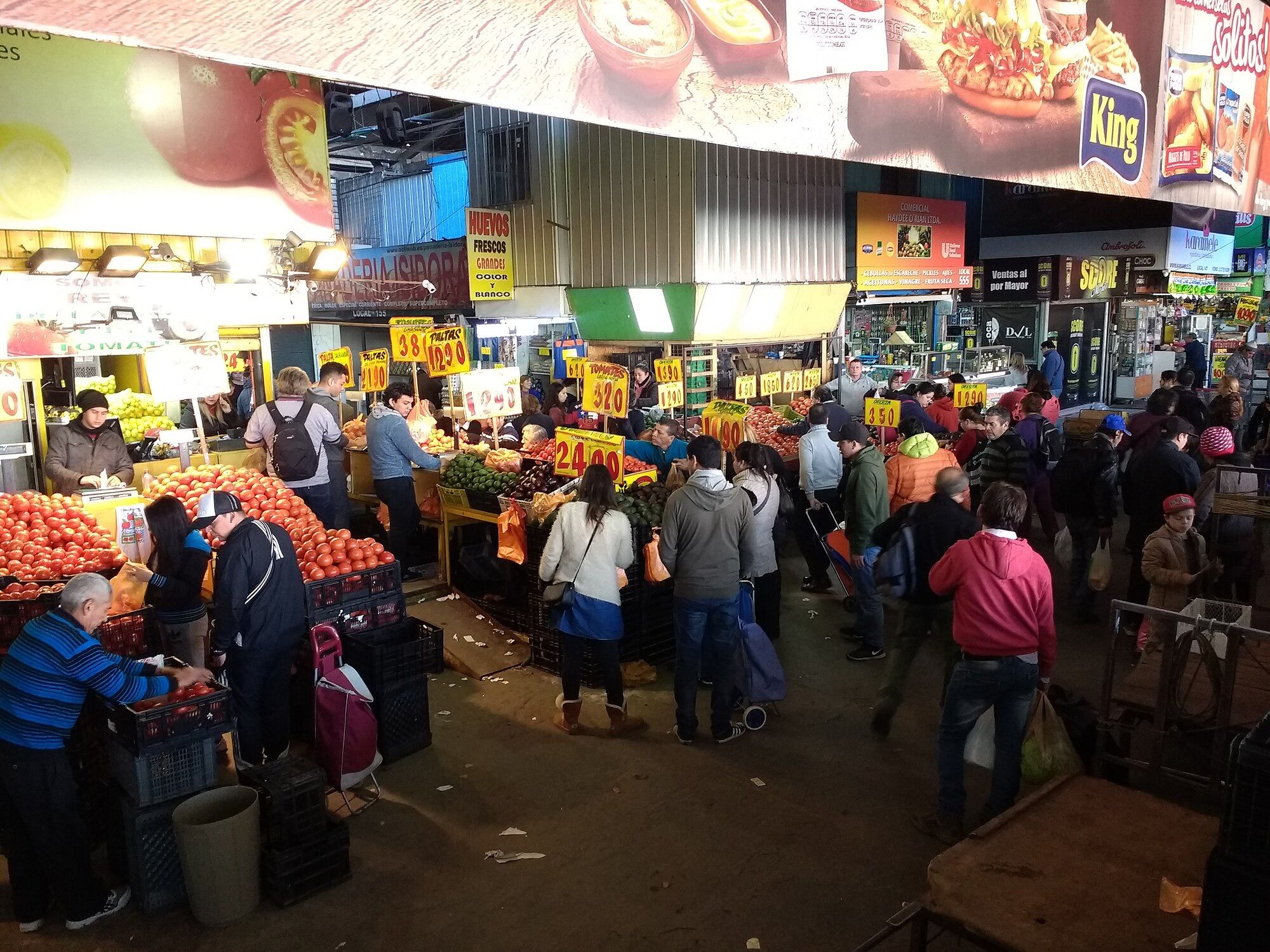
- Taste your way around the Mercado Central and La Vega markets.
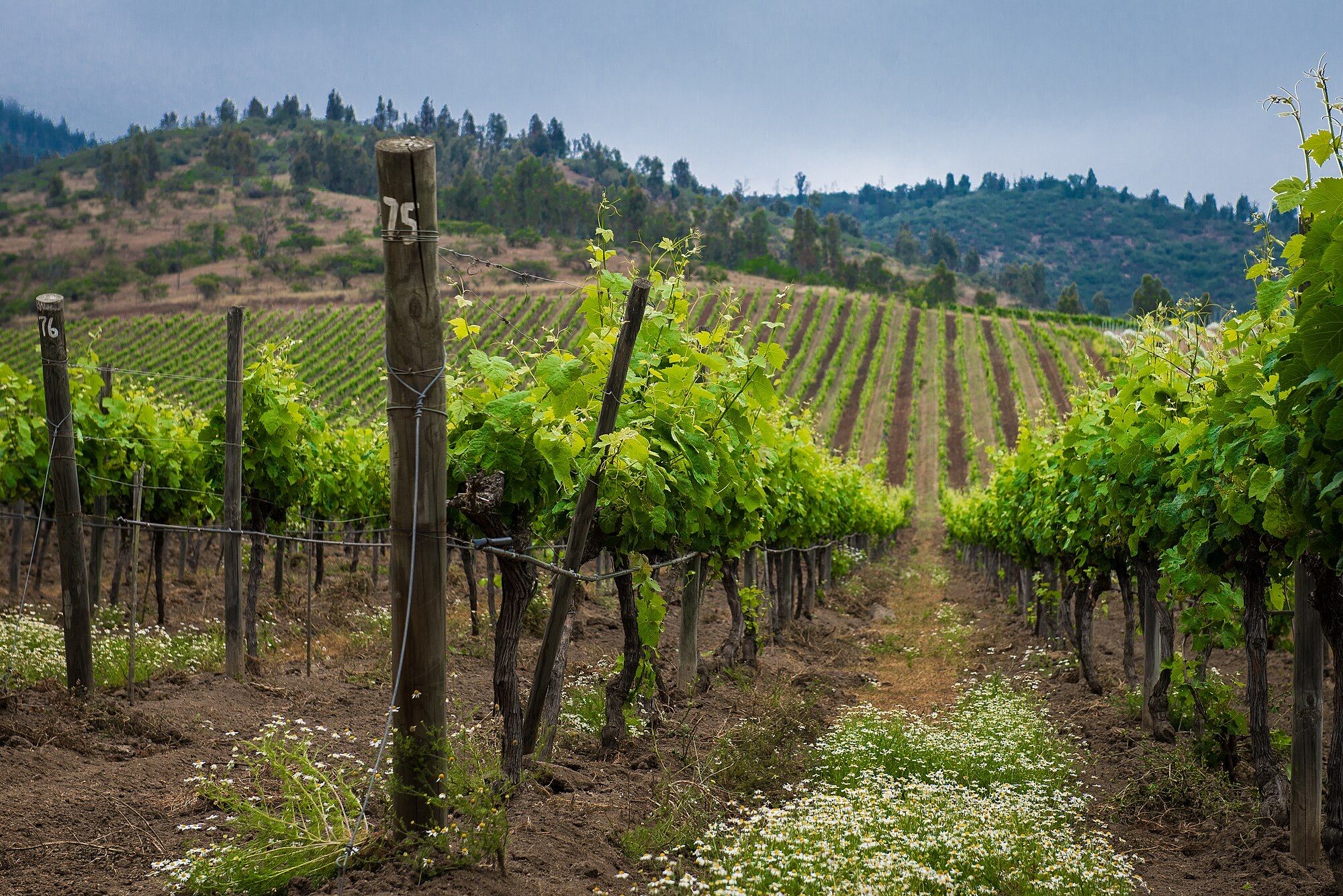
- Visit wineries in the Maipo Valley, including Concha y Toro at Pirque, or the cool-climate whites of the Casablanca Valley.
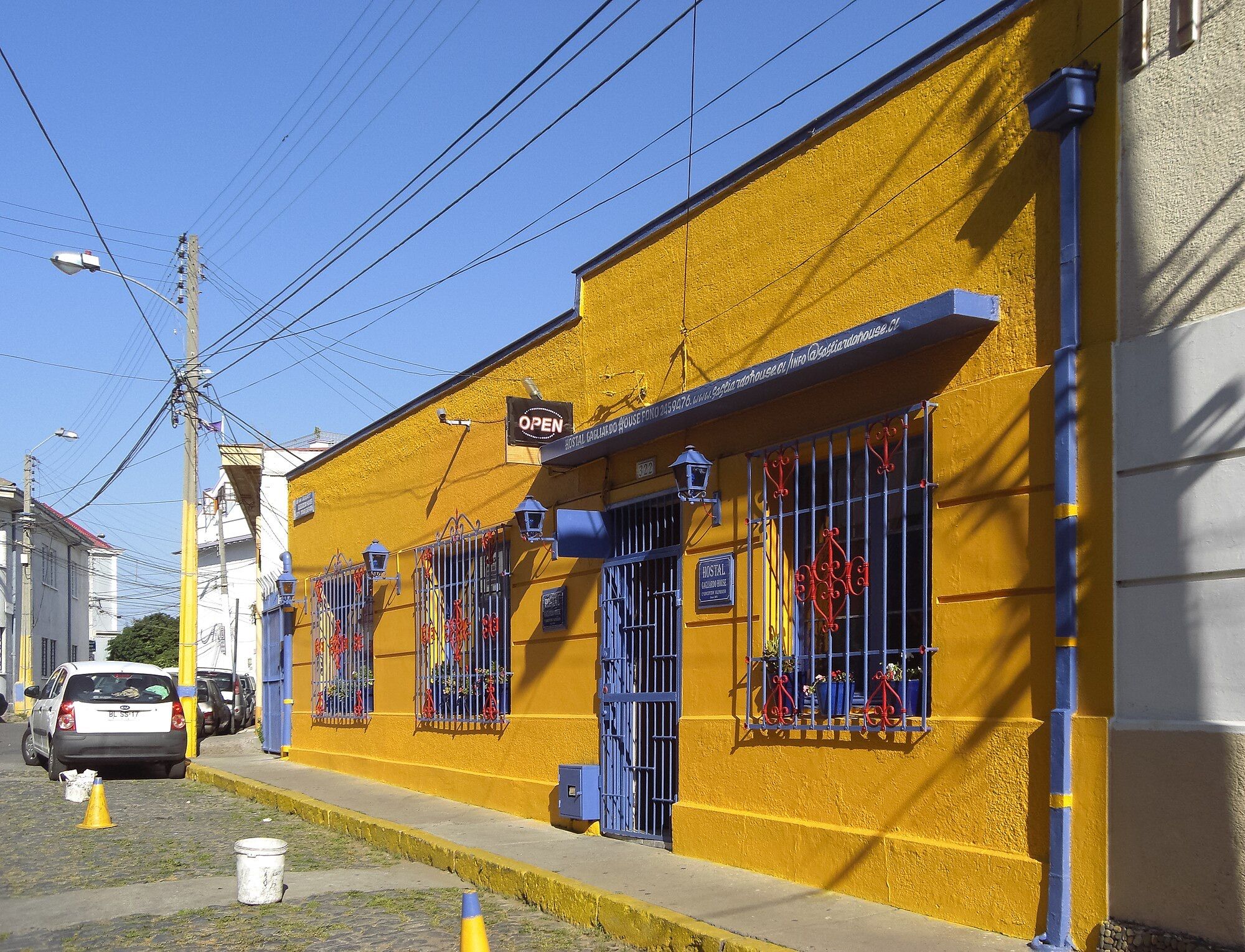
- Spend a day in Valparaíso, the colourful port city whose historic quarter is a UNESCO site, and its beach neighbour Viña del Mar.
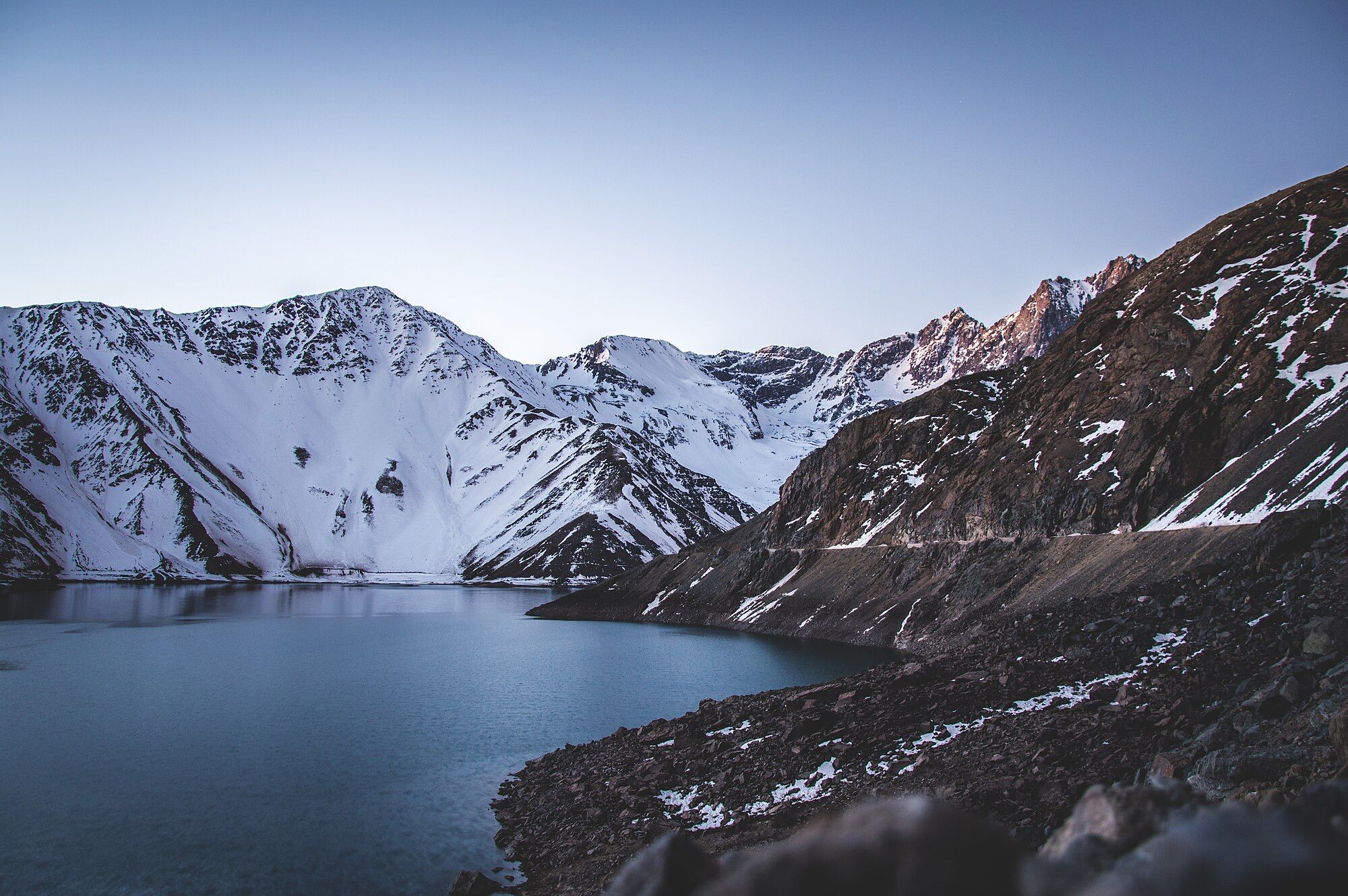
- Drive into the Andes through the Cajón del Maipo to the turquoise El Yeso reservoir.
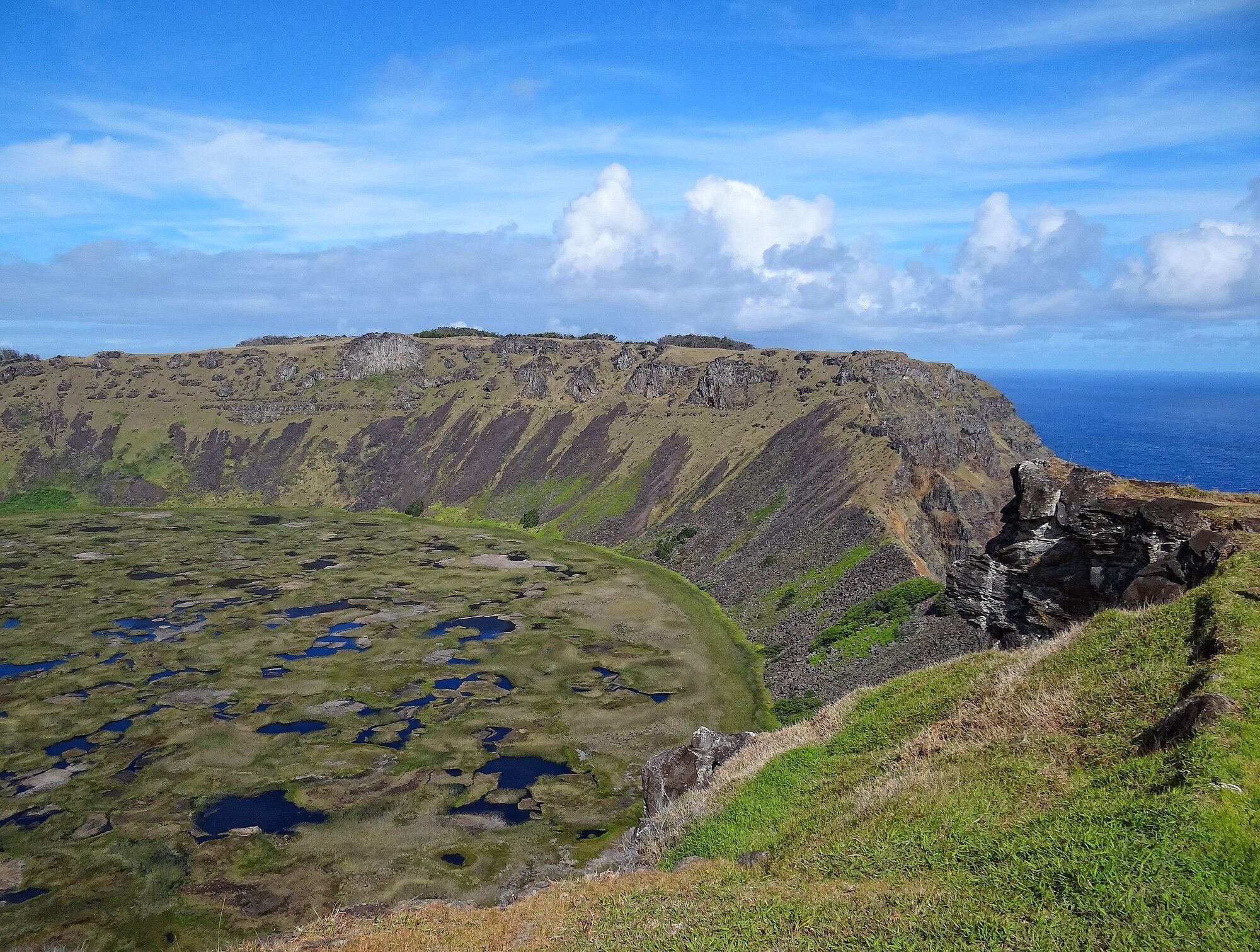
- On Rapa Nui, see the fifteen moai of Ahu Tongariki, the quarry of Rano Raraku, white-sand Anakena beach and the ceremonial village of Orongo on the rim of the Rano Kau crater; ride a horse up Maunga Terevaka, or dive in some of the clearest water in the Pacific.
Food and drink
Chile eats well and simply: empanadas, pastel de choclo (a corn and beef bake), seafood stews and fresh ceviche, washed down with a pisco sour or a glass of Carménère, the country's signature red grape. In summer, look out for mote con huesillo, a chilled drink of dried peach and wheat. On Rapa Nui, fresh tuna and other fish are the staples.
Good to know
- Currency: Chilean peso (CLP); cards are widely accepted in Santiago, and US dollars are often accepted on Rapa Nui.
- Language: Spanish; on Rapa Nui, also the Rapa Nui language.
- Plugs: types C and L, 220 V. Bring an adaptor.
- Rapa Nui: visitors to the national park need a park ticket, and the island has its own entry formalities. We'll explain what you need when you book.