Japan
Kyoto's temples, Hiroshima and Miyajima, Mount Fuji views and Tokyo's buzz, linked by fast, punctual bullet trains.
Why go
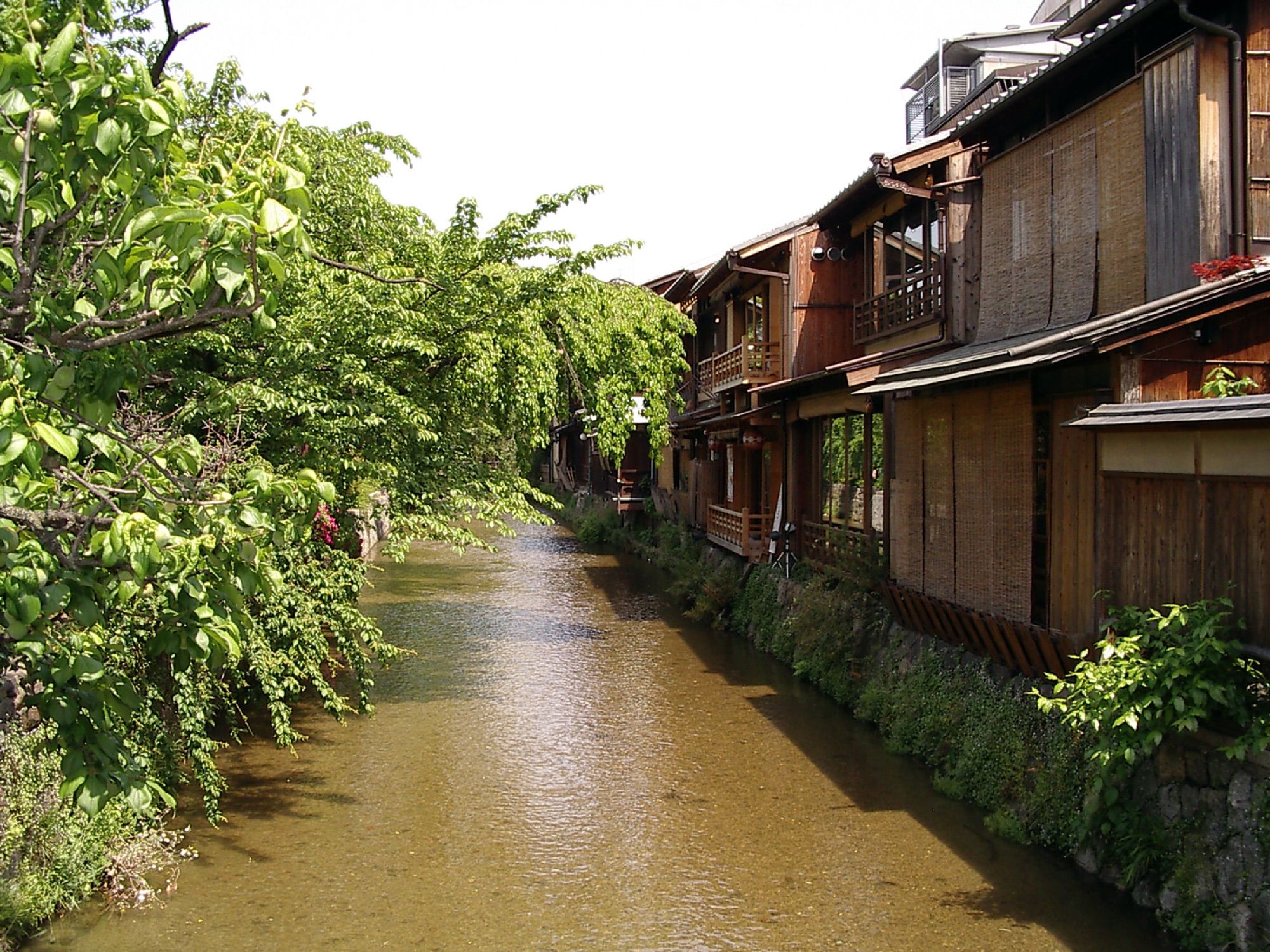
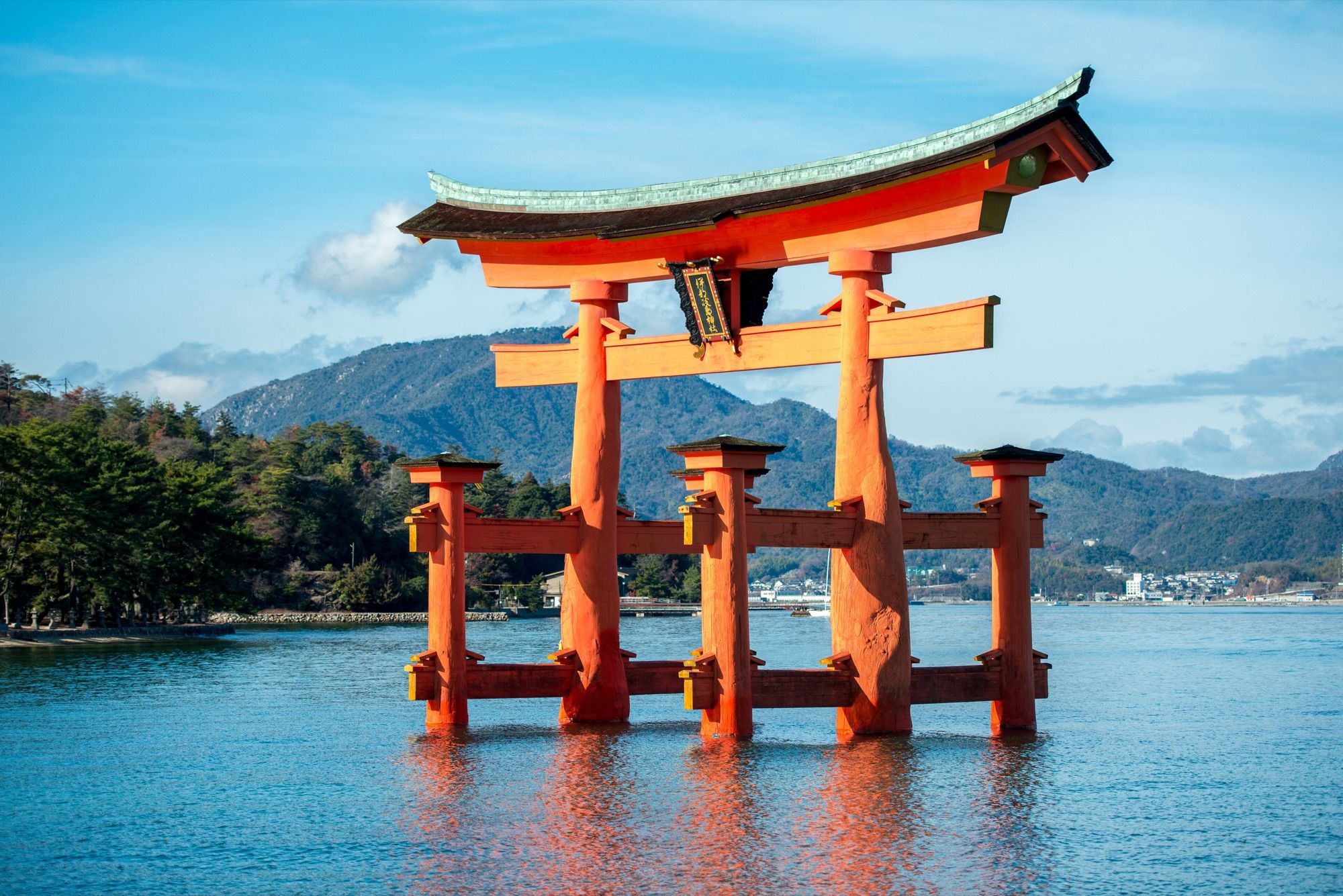
Japan rewards first-timers like few other countries. In two weeks you can walk through Kyoto's temple lanes and lantern-lit Gion, stand in Hiroshima's Peace Memorial Park, cross to the floating torii of Miyajima, wake up to Mount Fuji and finish in Tokyo, where neon-lit Shibuya sits a short metro ride from the incense of Senso-ji. Trains are fast, clean and on time, so moving between cities is part of the pleasure rather than a chore.
When to go
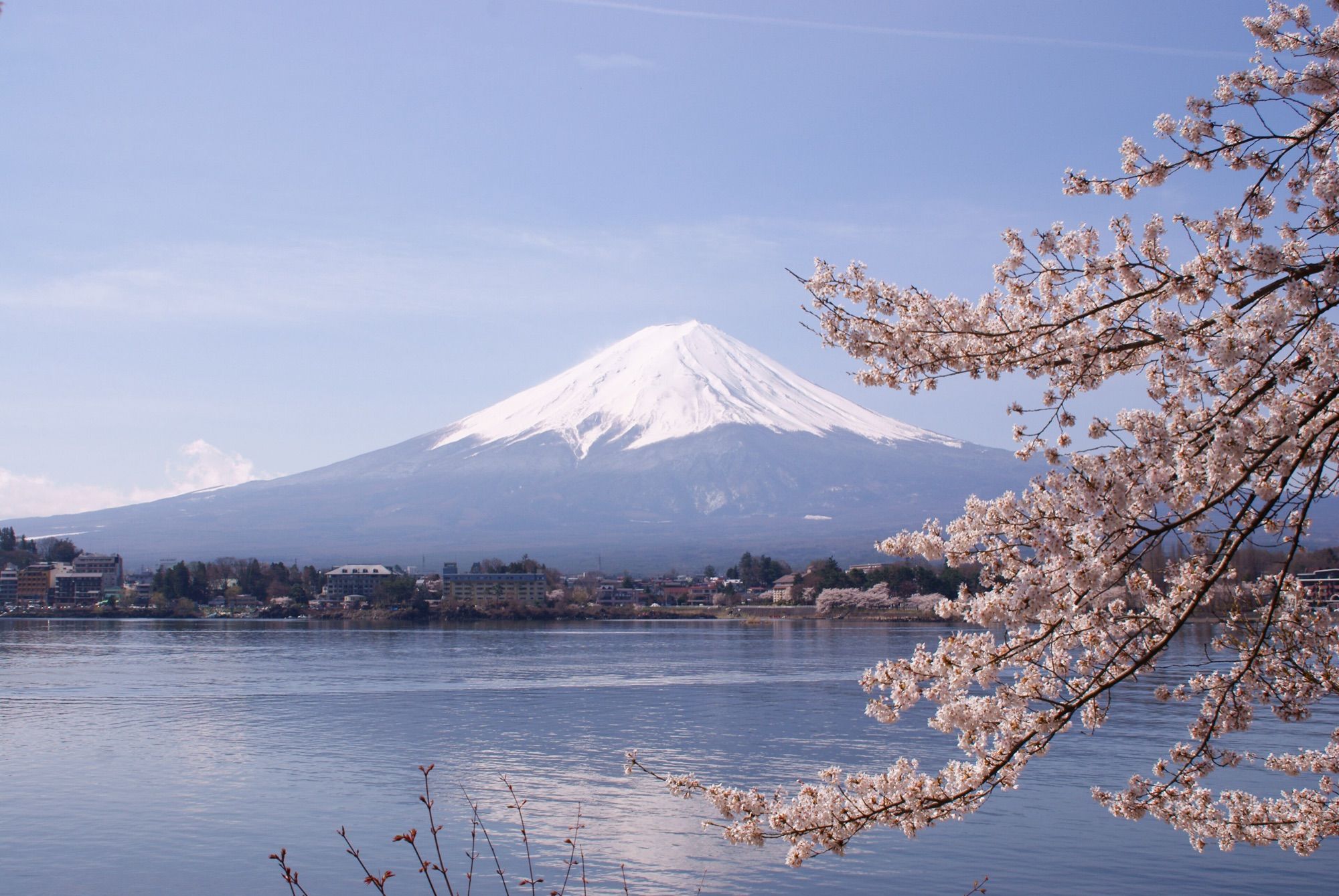
Spring (late March to early April) brings cherry blossom and autumn (October to November) brings red maples and clear skies, which is when Mount Fuji is most often visible. Both are popular, so book early. June is the rainy season, and July and August are hot and humid. Winter is cold but bright, with fewer crowds in Kyoto.
Getting there from the UK
British Airways, Japan Airlines and ANA fly direct from London Heathrow to Tokyo Haneda in around 13 to 14 hours. From other UK airports you connect via a hub, and Hong Kong makes a natural stopover on the way out. Once you're in Japan, a Japan Rail Pass covers most JR trains, including the shinkansen bullet trains, for 7, 14 or 21 days.
Where to stay
- Kyoto for temples, gardens, tea houses and the old geisha quarter of Gion. Central Karasuma is handy for the subway and buses.
- Hiroshima for the Peace Memorial Park and an easy day on Miyajima island.
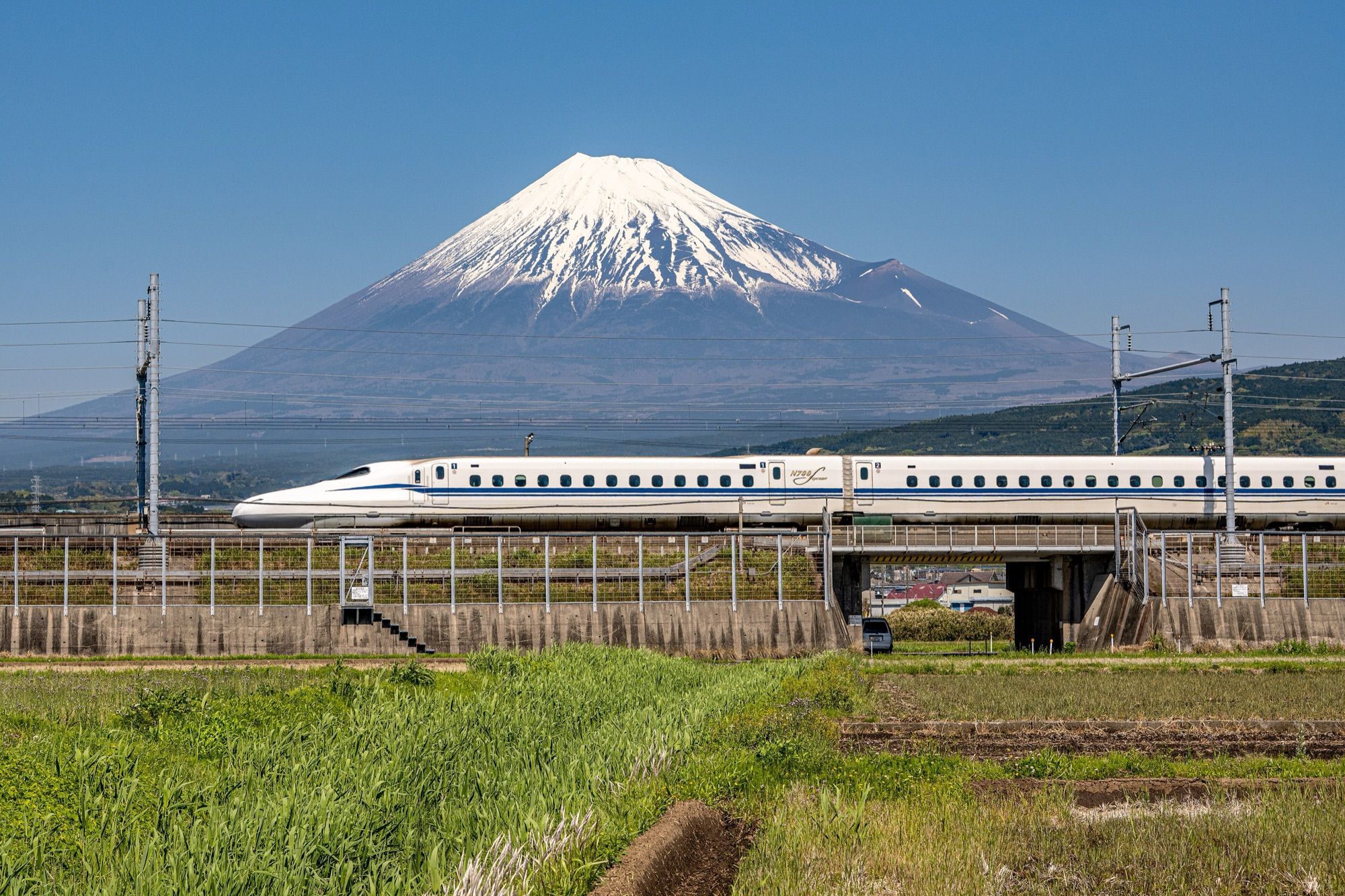
- Mount Fuji area: the Shin-Fuji side, on the shinkansen line, gives you mountain views and quick train links.
- Tokyo for food, shopping and neighbourhoods that feel like different cities. Otemachi, next to Tokyo Station and the Imperial Palace, is a calm, central base.
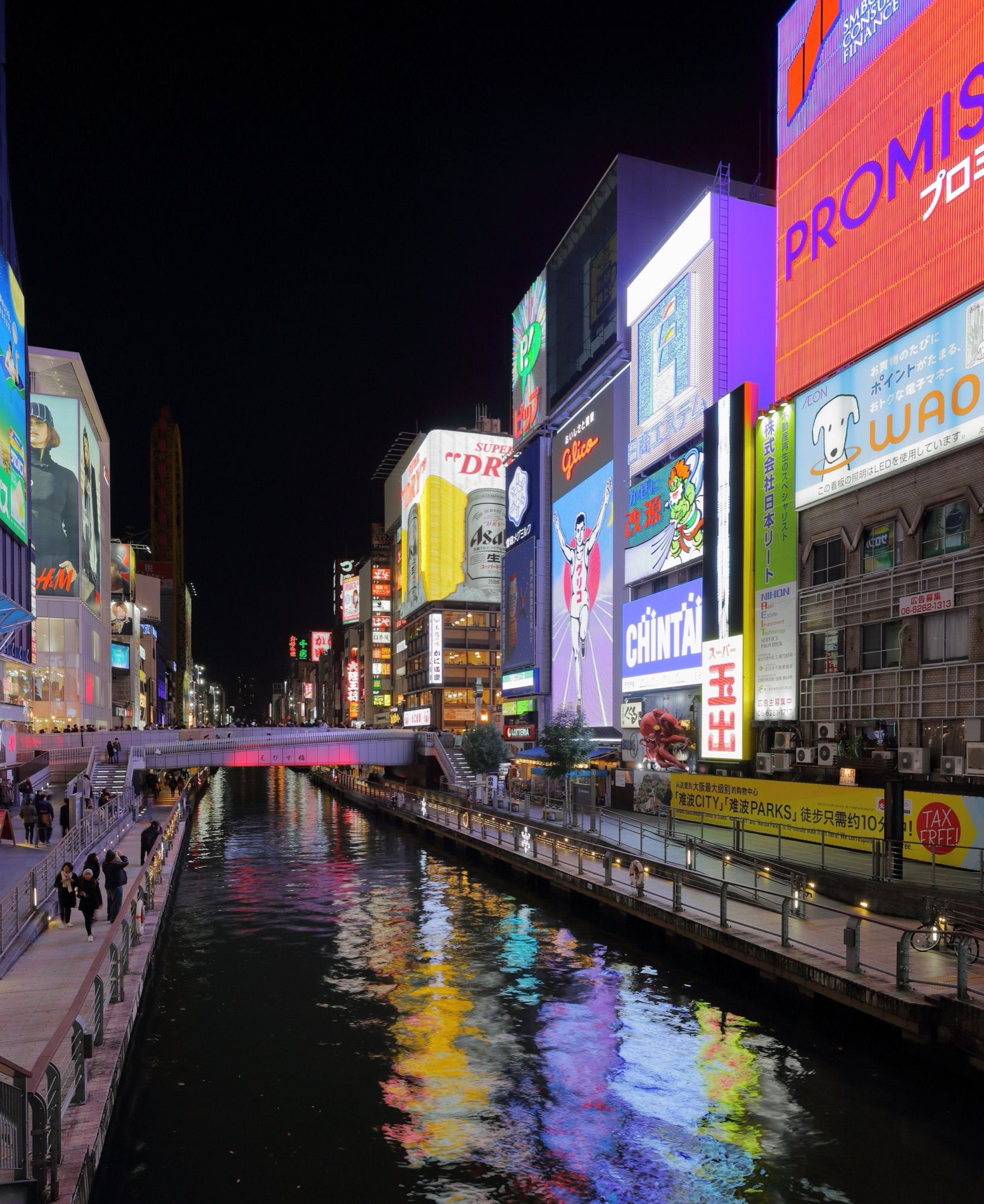
- Osaka, 15 minutes from Kyoto by shinkansen, is the place to eat: Dotonbori's street food is famous across the country.
What to do
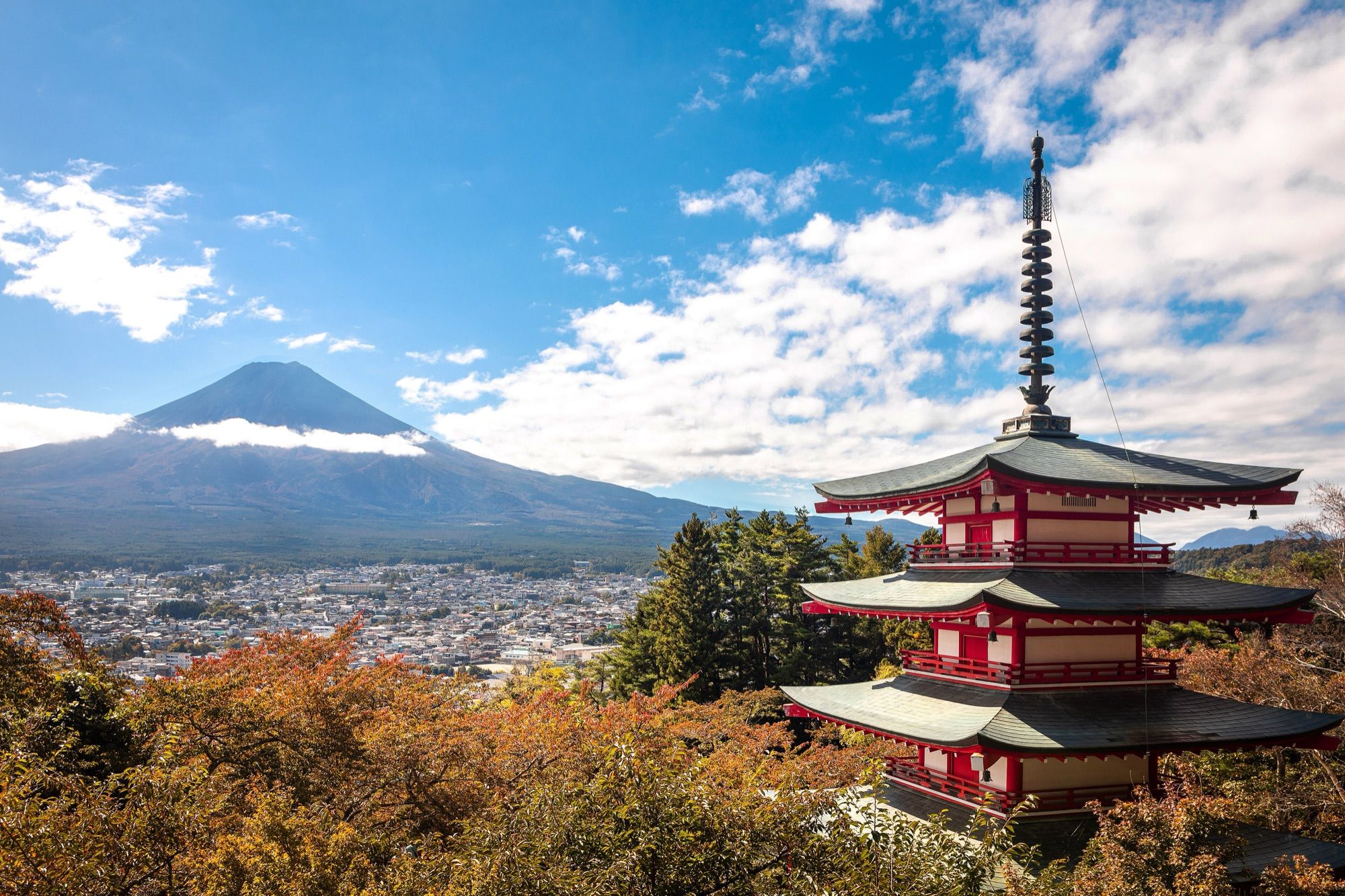
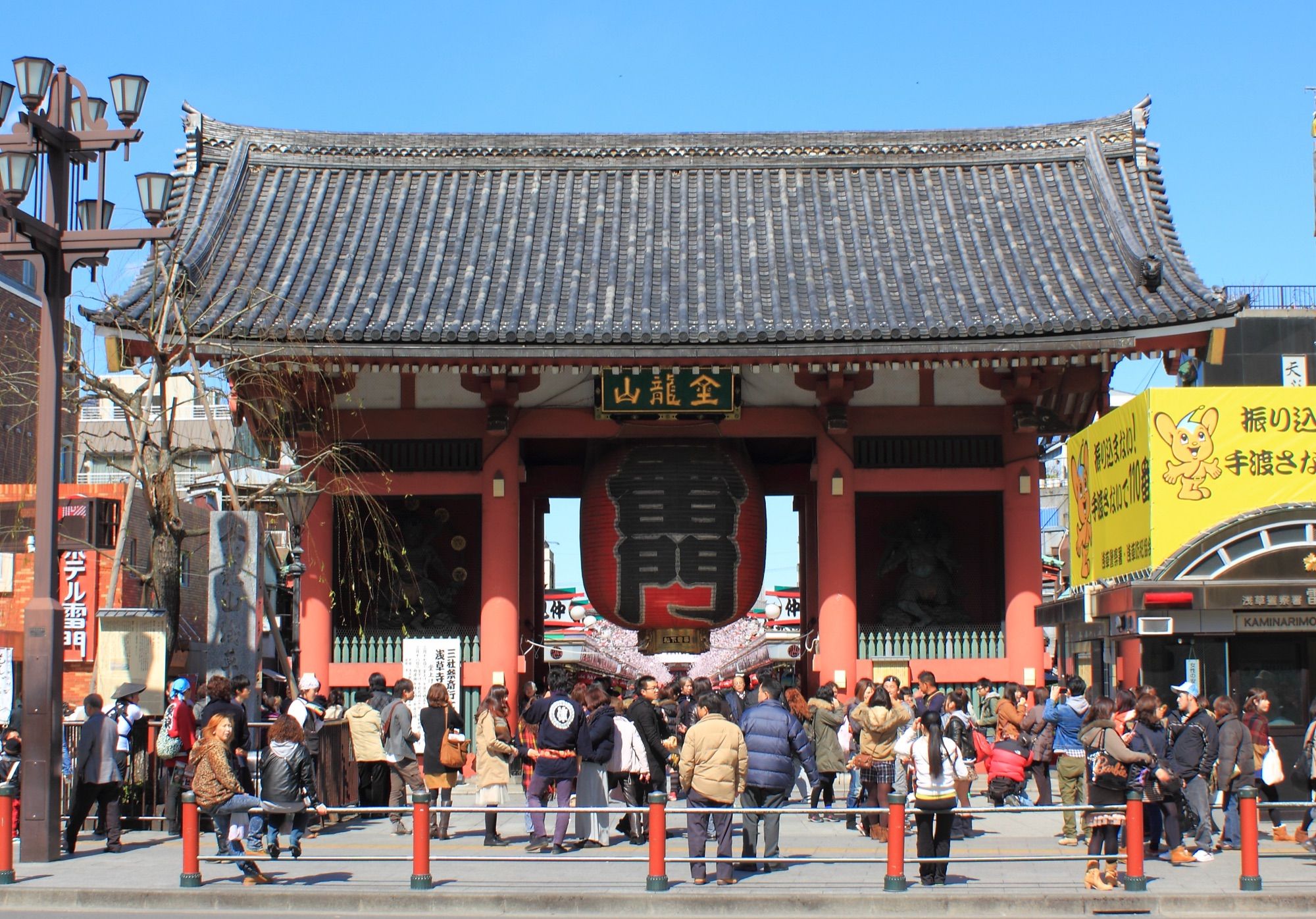
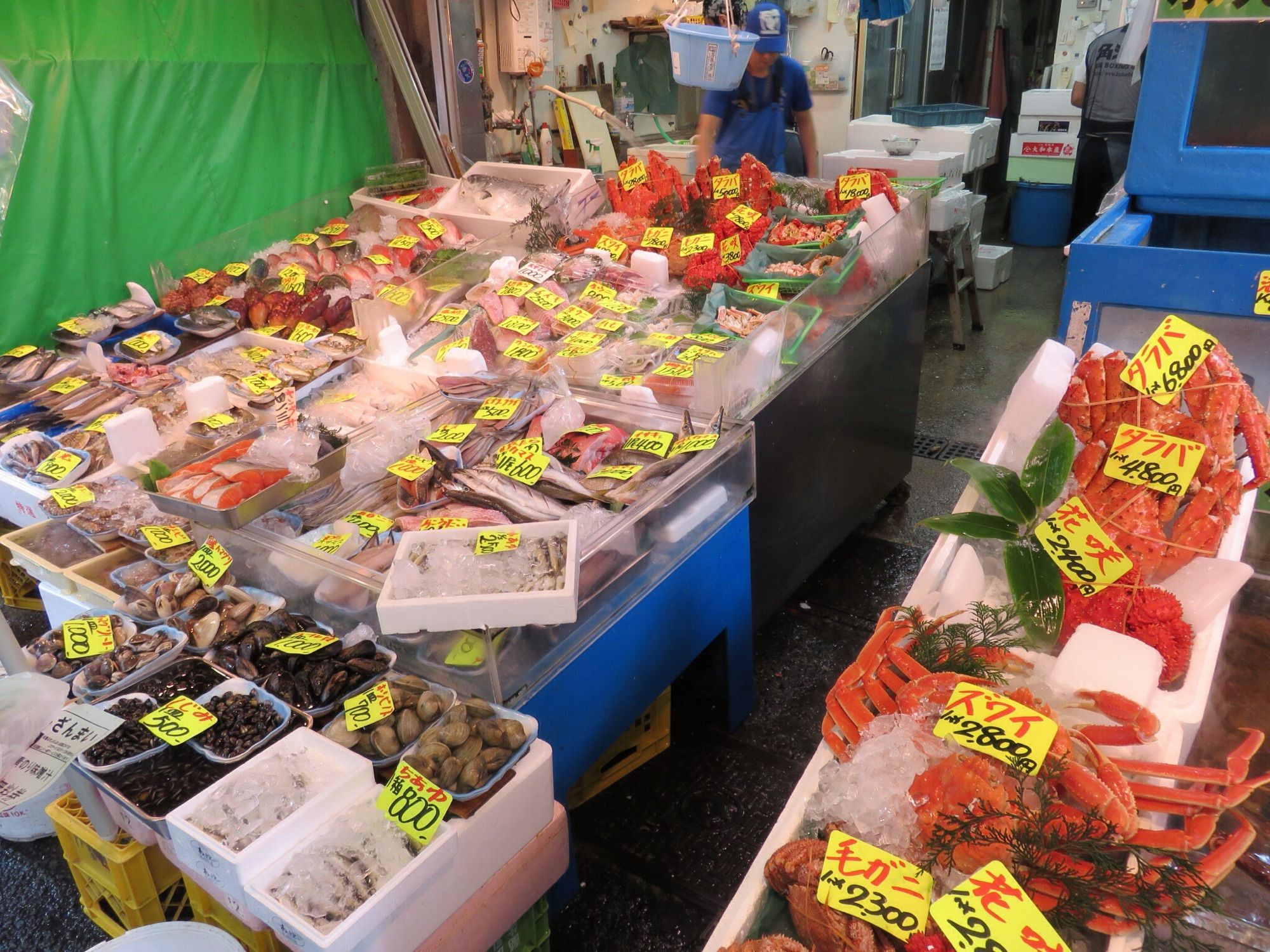
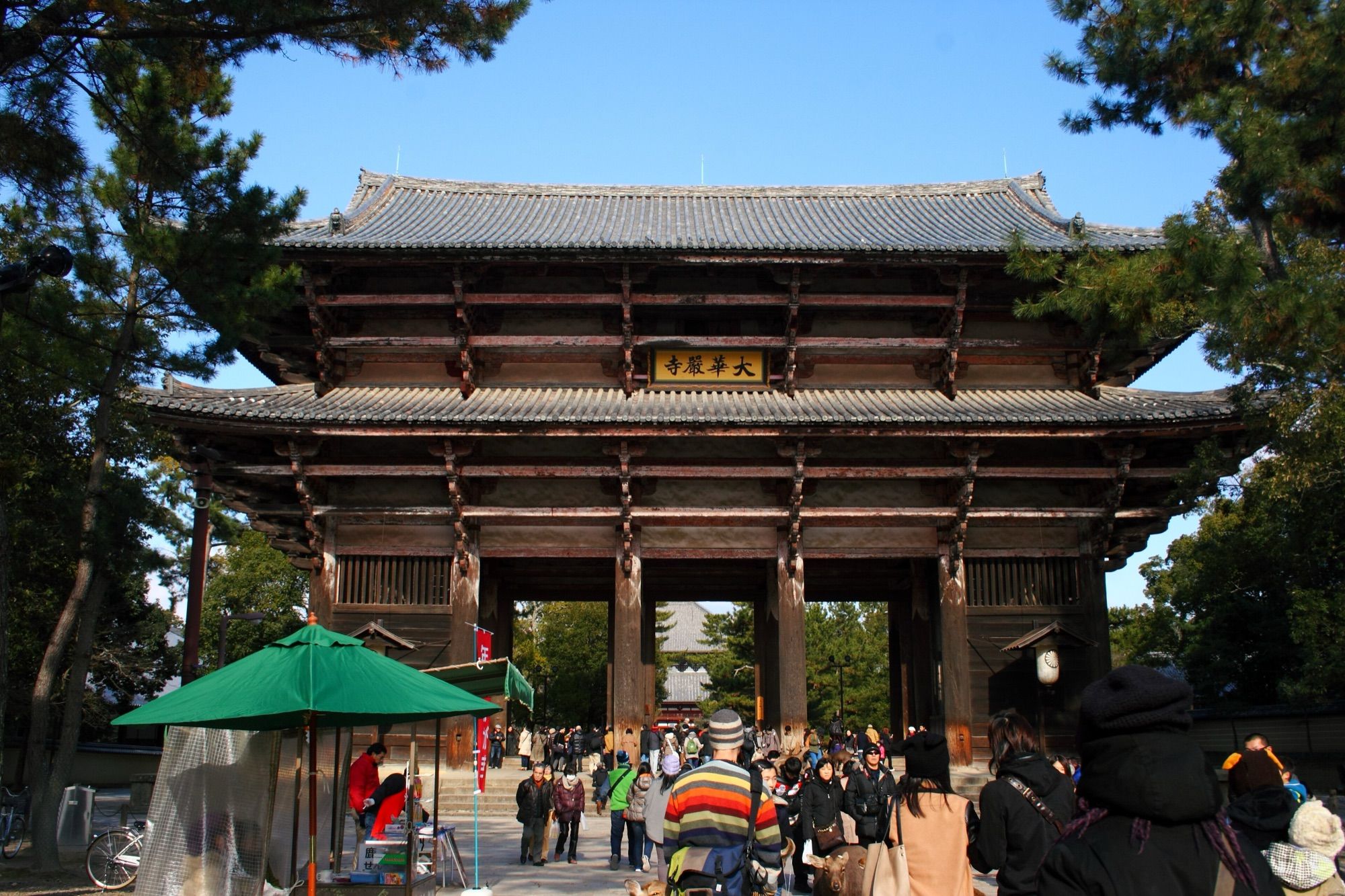
Walk the thousands of red torii gates at Fushimi Inari, feed the bowing deer at Nara, take part in a tea ceremony in a wooden machiya, and look for maiko on Hanamikoji in Gion at dusk. In Hiroshima, visit the Atomic Bomb Dome and museum, then take the JR ferry to Itsukushima Shrine. Around Fuji, Lake Kawaguchiko and the Chureito Pagoda frame the classic view. In Tokyo, eat your way round Tsukiji Outer Market and explore Asakusa's old streets.
Food
Sushi and sashimi, ramen and tempura are only the start. Try kaiseki and tofu dishes in Kyoto, okonomiyaki in Hiroshima (layered with noodles) and Osaka, takoyaki octopus balls from a street stall, and convenience-store onigiri for a quick, very good lunch.
Good to know
- Currency: Japanese yen. Cards are widely accepted, but carry cash for small shops, temples and buses.
- Time: 9 hours ahead of the UK (8 hours during British Summer Time).
- Plugs: type A (two flat pins), 100 V. Bring an adapter.
- Language: Japanese. Station signs are also in English.
- The standard JR Pass doesn't cover the fastest Nozomi and Mizuho shinkansen without an extra ticket; Hikari, Sakura and Kodama trains are included.