Colombia
Bogotá's colonial heart, the green Coffee Triangle and Cartagena's walled city on the Caribbean: three sides of Colombia in one trip.
Why go
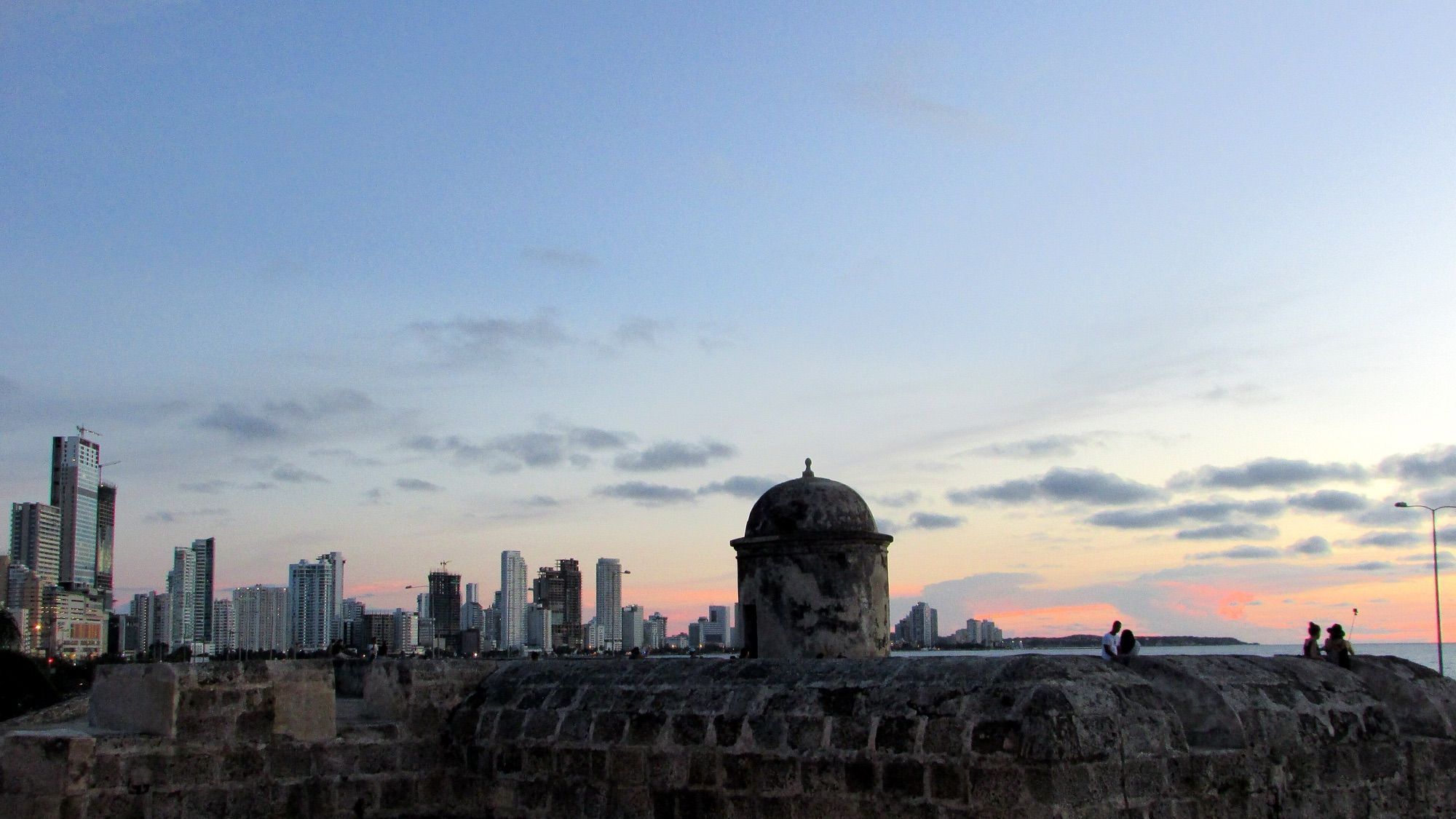
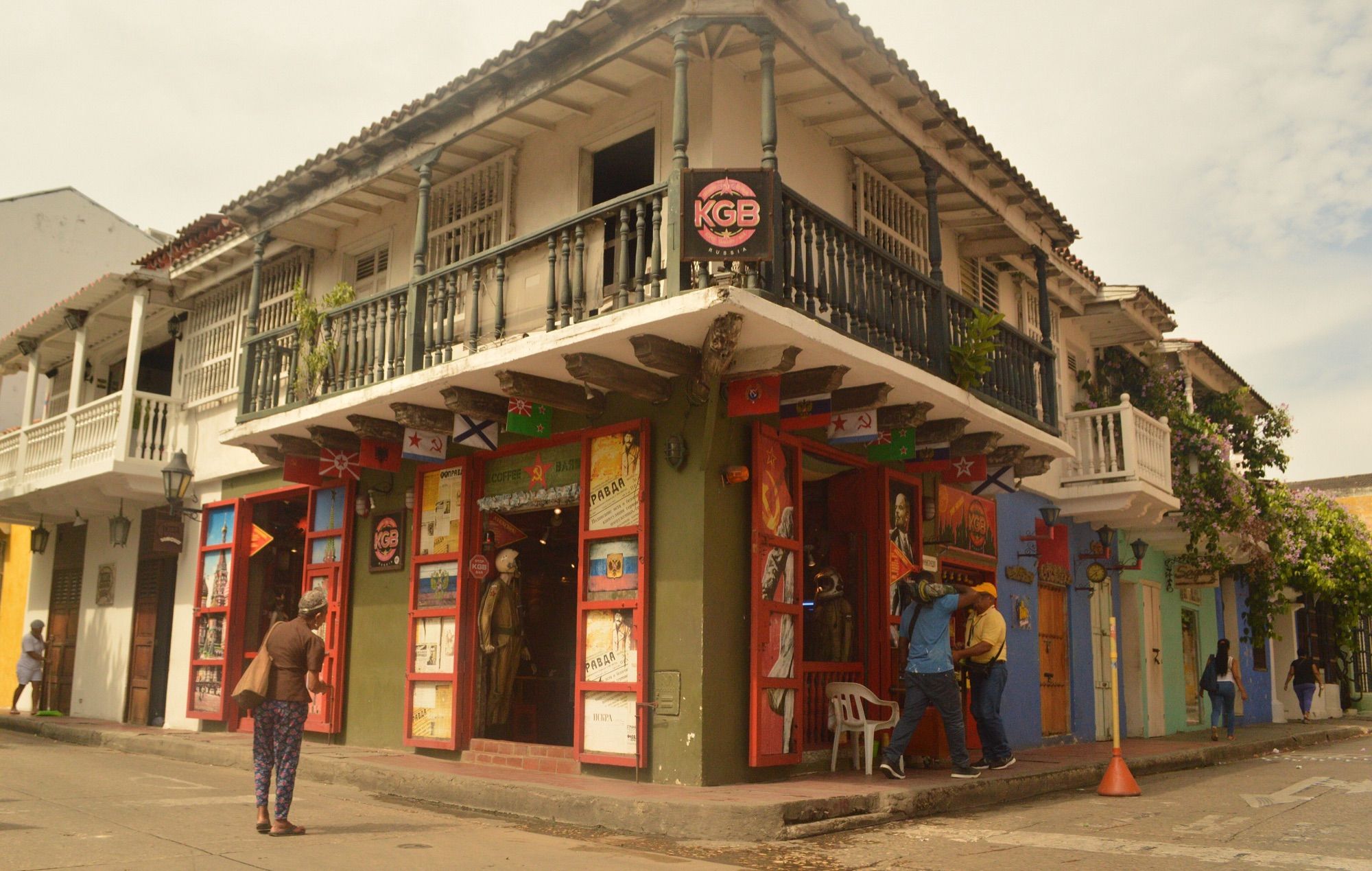
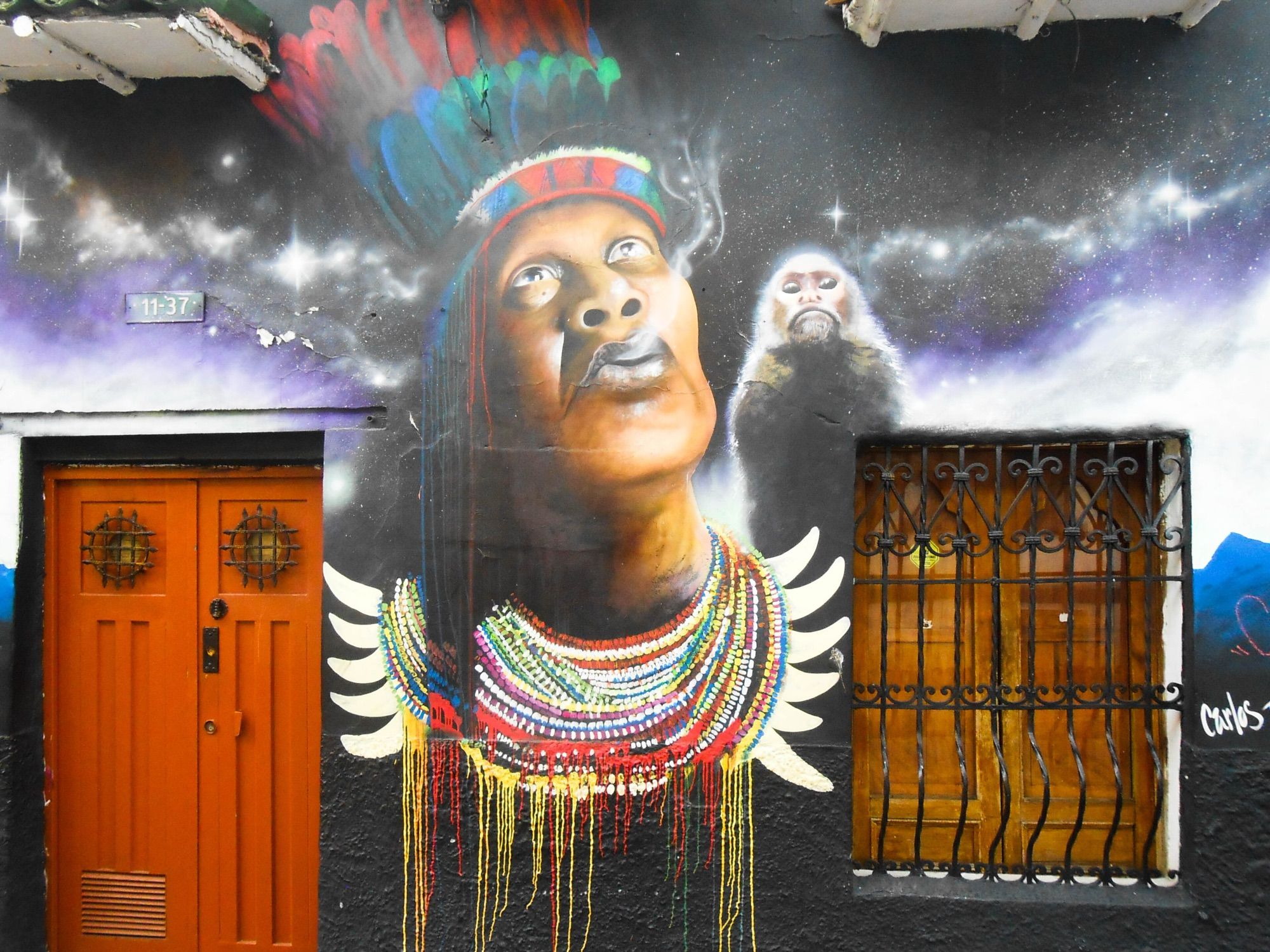
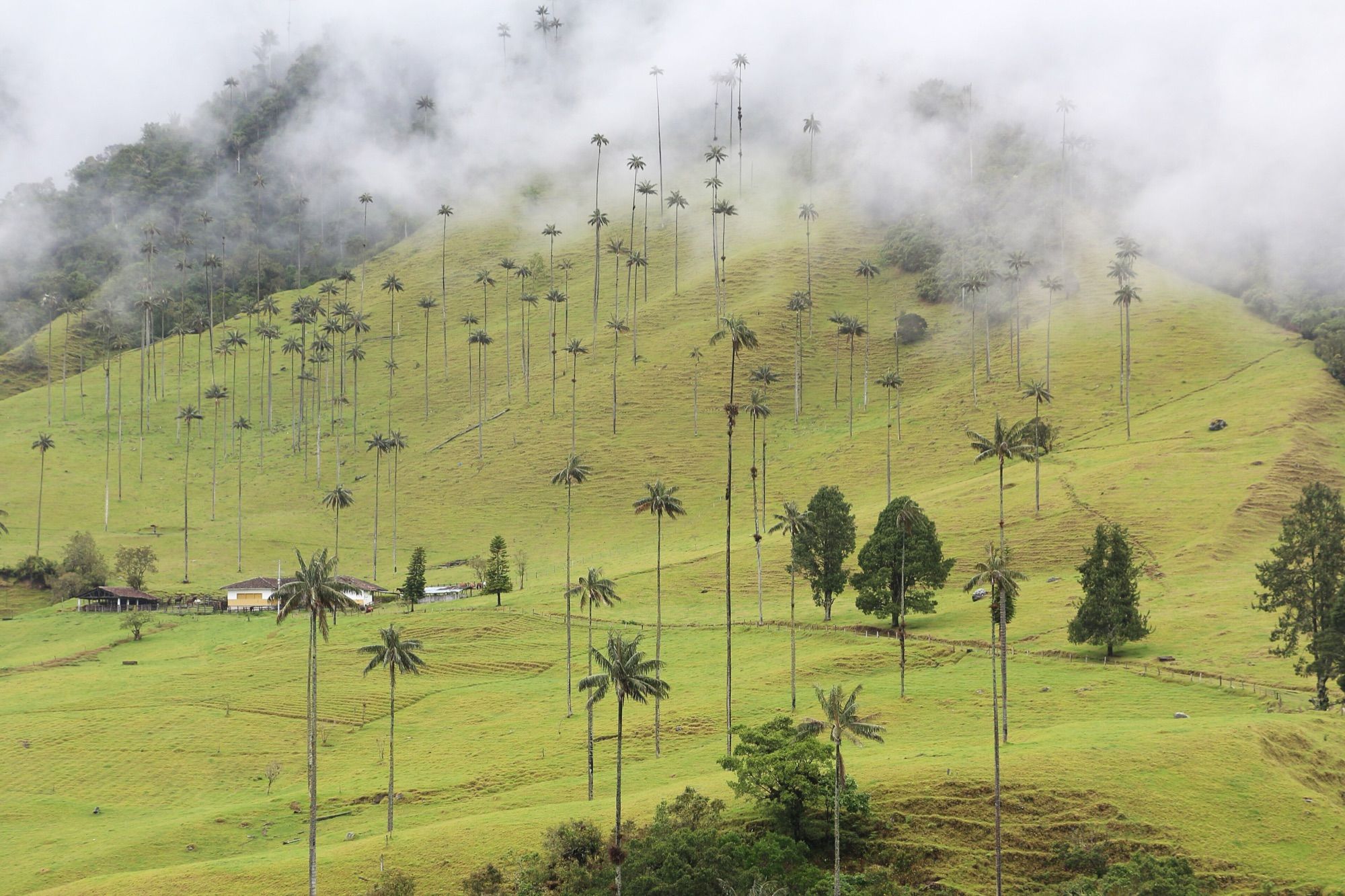
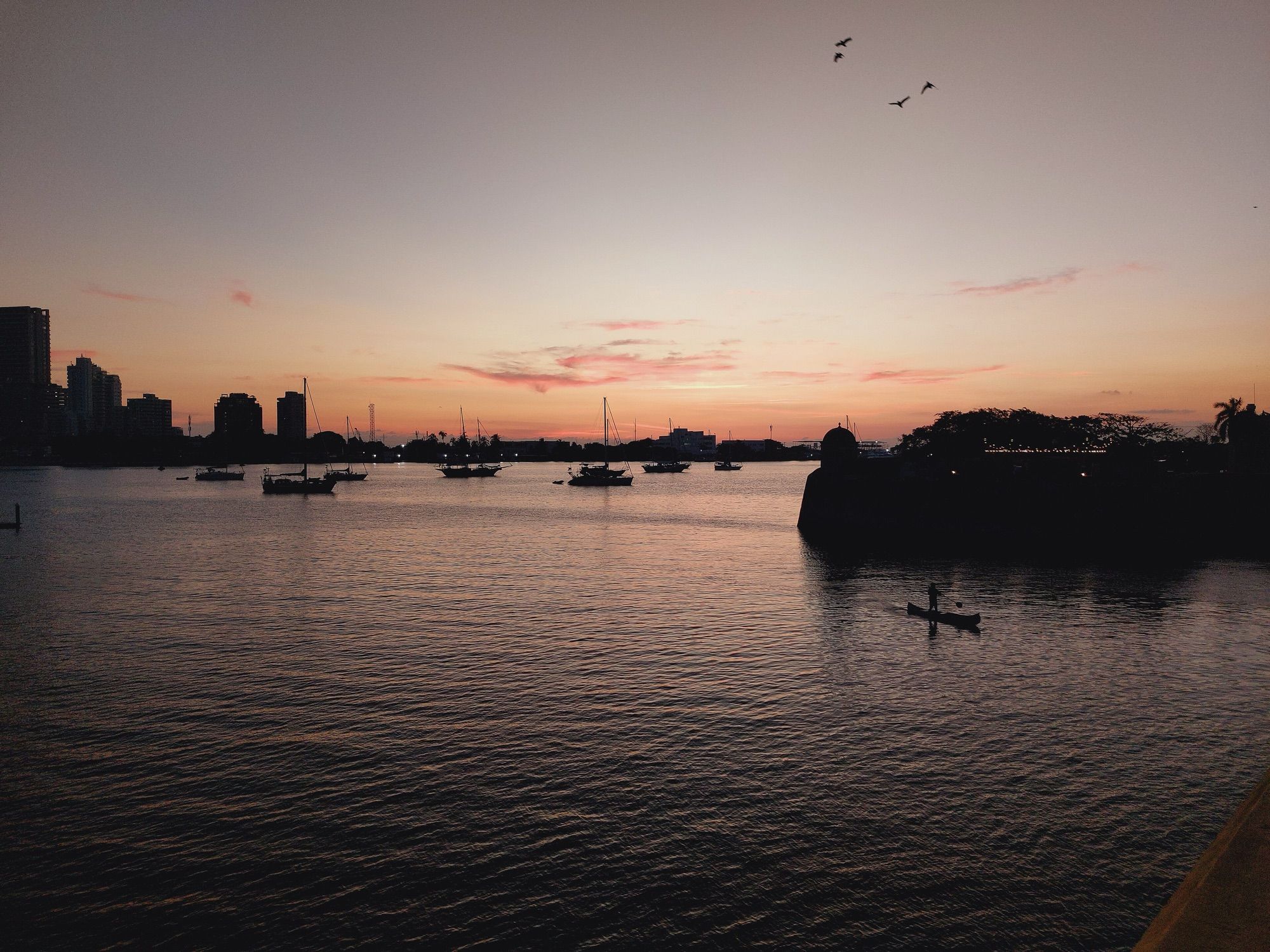
Colombia packs three very different trips into one country. Bogotá, the capital, sits high in the Andes and mixes a colonial old town with glass towers, street art and some of South America's best museums. A short flight west takes you to the Coffee Triangle, a green landscape of steep coffee farms, bamboo and wax palms that UNESCO lists as the Coffee Cultural Landscape of Colombia. Fly north and you land on the Caribbean coast, where Cartagena's walled city, painted balconies and island beaches finish the journey in the heat.
When to go
Colombia sits close to the equator, so the temperature depends on altitude rather than season. Bogotá, at about 2,600 metres, is cool all year, with days around 19 °C and chilly evenings, so pack layers. Cartagena is hot and humid, mostly 24 to 31 °C. December to March is the driest and most popular time on the Caribbean coast, and January and February are also among the drier months in Bogotá, which makes early February a good time to combine the two.
Getting there from the UK
Avianca flies direct from London Heathrow to Bogotá in around 11 hours, usually leaving in the evening and landing early the next morning. Other routes connect through Madrid, other Latin American hubs or Canada, including from Manchester. Domestic flights then link Bogotá with the coffee region airports and Cartagena in roughly an hour or so each. Colombia is five hours behind the UK in winter and six in British summer time.
Where to stay
- Bogotá: La Candelaria, the historic centre, puts you within walking distance of Plaza de Bolívar and the main museums.
- The Coffee Triangle: working coffee haciendas in the hills around Armenia, Calarcá and Salento, many with pools and coffee tours.
- Cartagena: the walled city, with the quieter San Diego quarter and lively Getsemaní just outside the walls.
What to do
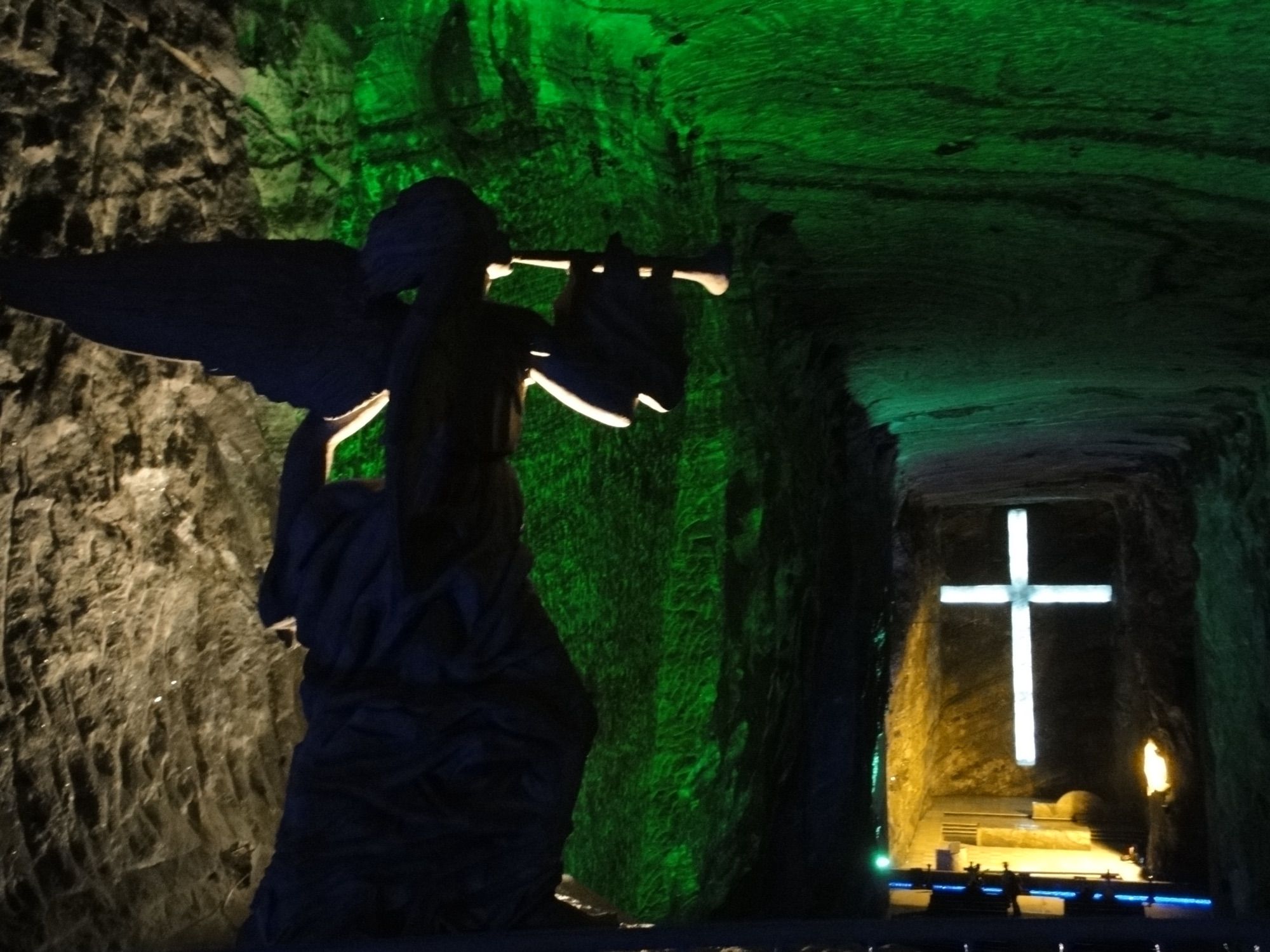
In Bogotá, ride the cable car up Monserrate for the view over the city, take a street-art walk through La Candelaria and make the day trip to the underground Salt Cathedral of Zipaquirá. In the coffee region, follow the coffee process from plant to cup on a farm, then walk among the towering wax palms of the Cocora Valley and browse the colourful streets of Salento. On the coast, wander Cartagena's walls and plazas, which are a UNESCO World Heritage Site, take a boat out to the coral islands of the Rosario archipelago, sail the bay at sunset or float in the warm mud of the Totumo volcano.
Food and drink
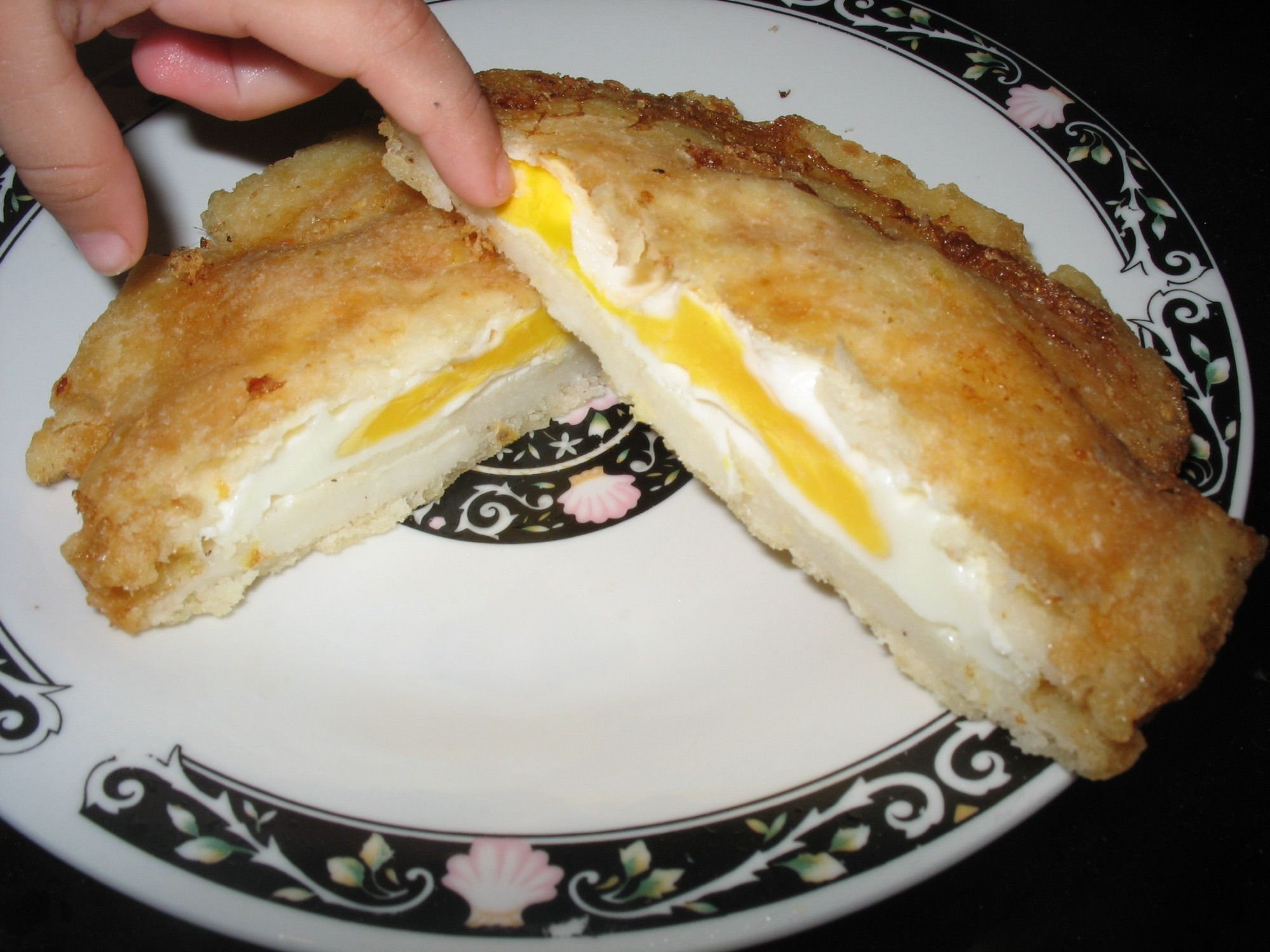
Try ajiaco, Bogotá's chicken and potato soup, and arepas in all their regional forms. On the coast, look out for arepa de huevo (a fried corn arepa with an egg inside), fried fish with coconut rice and patacones (fried green plantain), plus fresh tropical juices sold from street carts. And of course the coffee: in the Coffee Triangle you drink it where it grows.
Good to know
- Currency: Colombian peso (COP). Cards are widely accepted in cities; carry cash for markets and rural areas.
- Language: Spanish. English is spoken in many hotels and on tours.
- Plugs: US-style two-pin sockets (types A and B) at 110 volts, so bring an adapter.
- Altitude: take it easy on your first day in Bogotá and drink plenty of water.