Brazil
Rio de Janeiro's peaks and beaches, then the coves of Búzios: Brazil pairs a great city with a relaxed seaside peninsula.
Why go
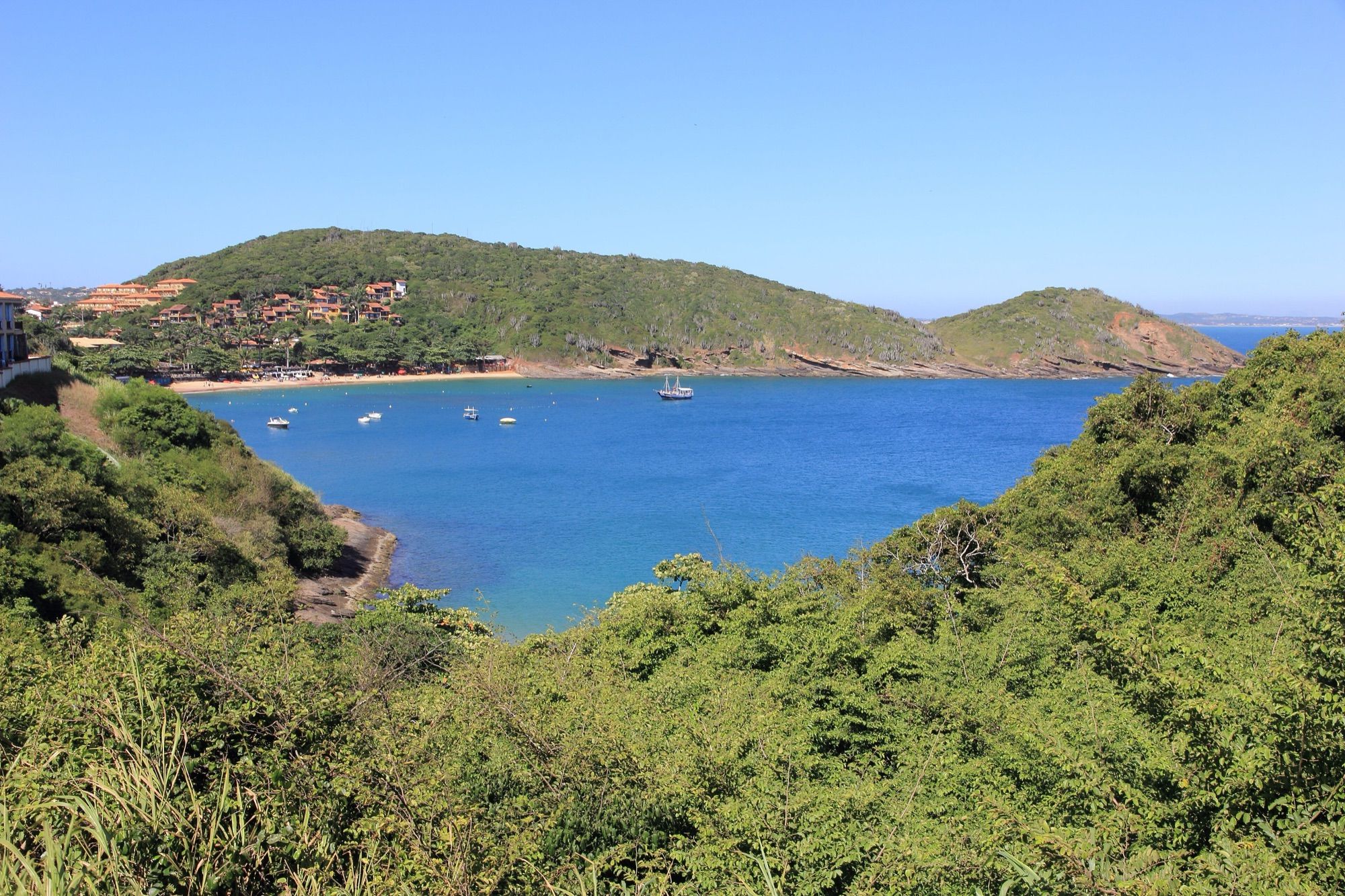
Brazil is a long way to go for a beach, so this trip gives you two very different coasts in one go. Rio de Janeiro is the city everyone pictures: granite peaks rising out of the bay, Christ the Redeemer watching from Corcovado, and Copacabana and Ipanema curving below. Its setting between mountain and sea is a UNESCO World Heritage Site. Three hours east, Búzios is the opposite: a small, relaxed peninsula of fishing boats, cobbled streets and 23 beaches, from sheltered coves to surf beaches facing the open Atlantic.
When to go
Rio is warm all year. December to March is summer: hot, humid and the rainiest time, with short tropical downpours, and Carnival in February or March. April to June and September to November are the most comfortable months for sightseeing, with plenty of sun and fewer crowds. In Búzios, temperatures reach around 30 °C from November to February and around 20 °C from May to September, and a sea breeze blows most of the year.
Getting there from the UK
British Airways flies overnight from London Heathrow to Rio de Janeiro's Galeão International Airport (GIG); the nonstop flight takes about 12 hours, and indirect routings take longer. Búzios is about 170 km east of Rio, roughly 2 hours 30 minutes to 3 hours by road from the airport. Rio is three hours behind the UK in winter and four hours behind during British Summer Time; Brazil does not change its clocks.
Where to stay
- Búzios, João Fernandes: a hillside of small hotels above one of the calmest, clearest beaches on the peninsula, a few minutes from the town centre.
- Búzios, Centro and Armação: Rua das Pedras and the Orla Bardot seafront, with restaurants, bars and the pier for boat trips.
- Rio, Copacabana and Ipanema: the famous beaches, with the widest choice of hotels.
- Rio, Lapa and Santa Teresa: the historic centre, with colonial streets, the Lapa Arches, live samba and the hilltop artists' quarter.
What to do
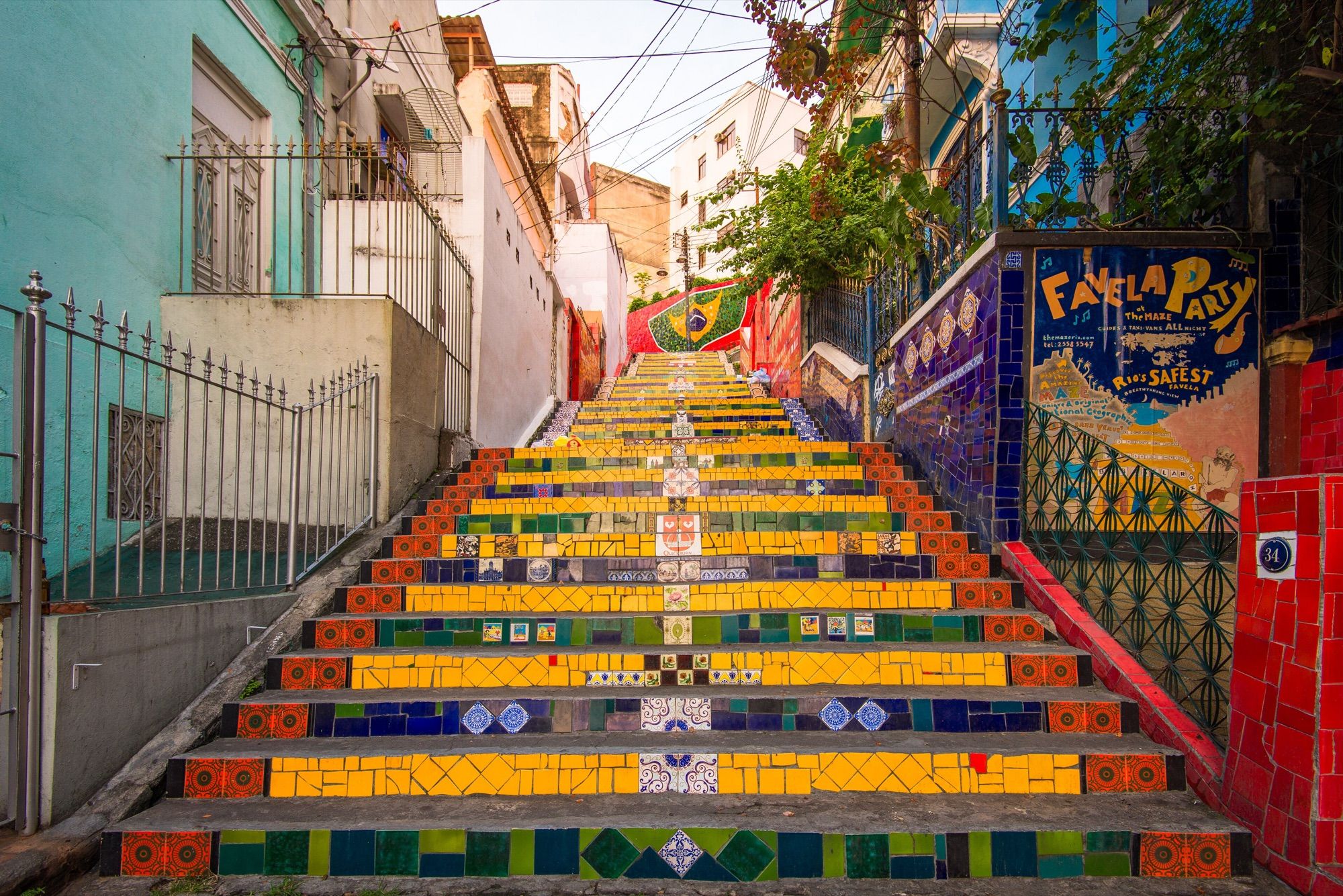
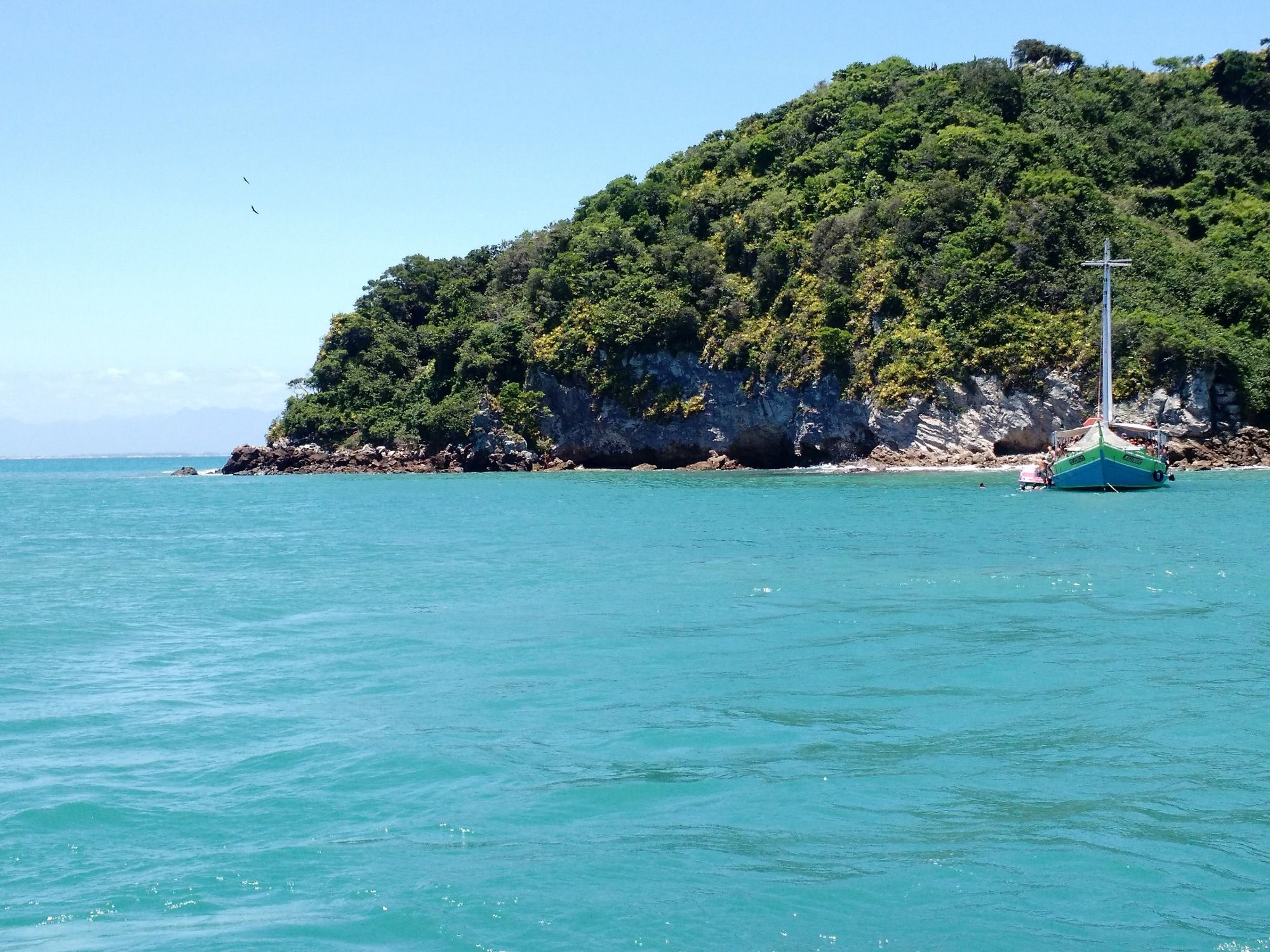
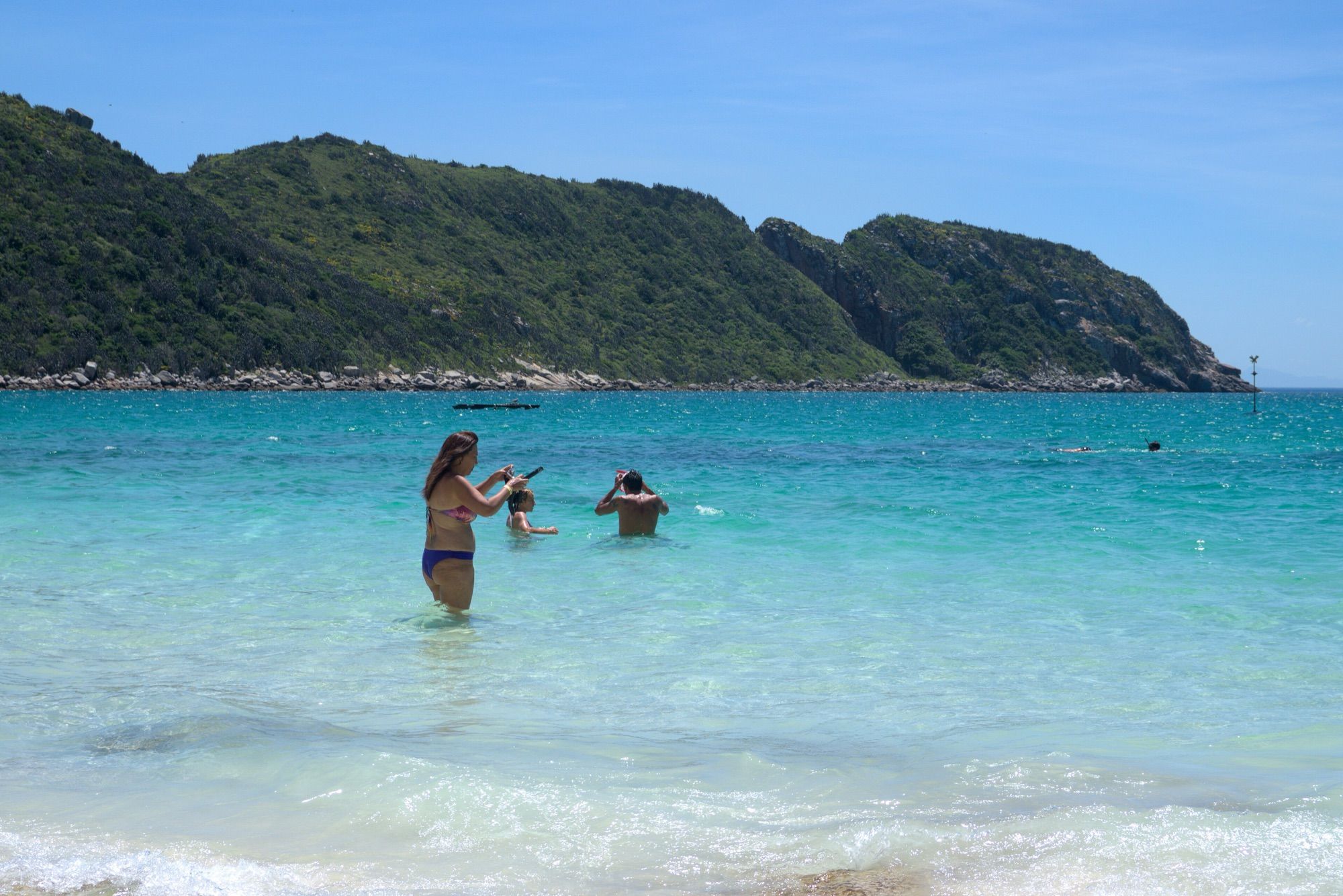
In Rio, ride the cable car up Sugarloaf Mountain and the train up Corcovado to stand beneath Christ the Redeemer. Walk the tiled Selarón Steps between Lapa and Santa Teresa, look for monkeys and toucans in the Tijuca rainforest, or go behind the scenes at the Maracanã stadium. In Búzios, take a schooner around the islands and coves, tour the beaches and viewpoints by buggy, try a first dive off João Fernandinho beach, or spend a day on the turquoise water and white sand of Arraial do Cabo.
Food and drink
Feijoada, a slow-cooked stew of black beans and pork served with rice, greens and orange, is Rio's Saturday lunch. Snack on pão de queijo (cheese bread) and pastéis, and cool down with fresh coconut water on the beach or a bowl of açaí. The caipirinha, made with cachaça, lime and sugar, is the national cocktail. Búzios is the place for seafood: grilled fish, prawns and moqueca, a fish stew with coconut milk and palm oil.
Good to know
- Currency: Brazilian real (R$). Cards are widely accepted.
- Language: Portuguese. English is spoken in hotels and on tours, less so elsewhere.
- Plugs: type N sockets (two round pins fit most of them); voltage varies between 127 V and 220 V, so check before using a hairdryer.
- Staying safe: as in any big city, keep valuables out of sight in Rio and use licensed taxis or ride-hailing apps at night.