Bolivia
The Uyuni salt flat, Lake Titicaca, Tiwanaku and La Paz: Bolivia is the high Andes at their most dramatic, rich in Aymara culture.
Why go
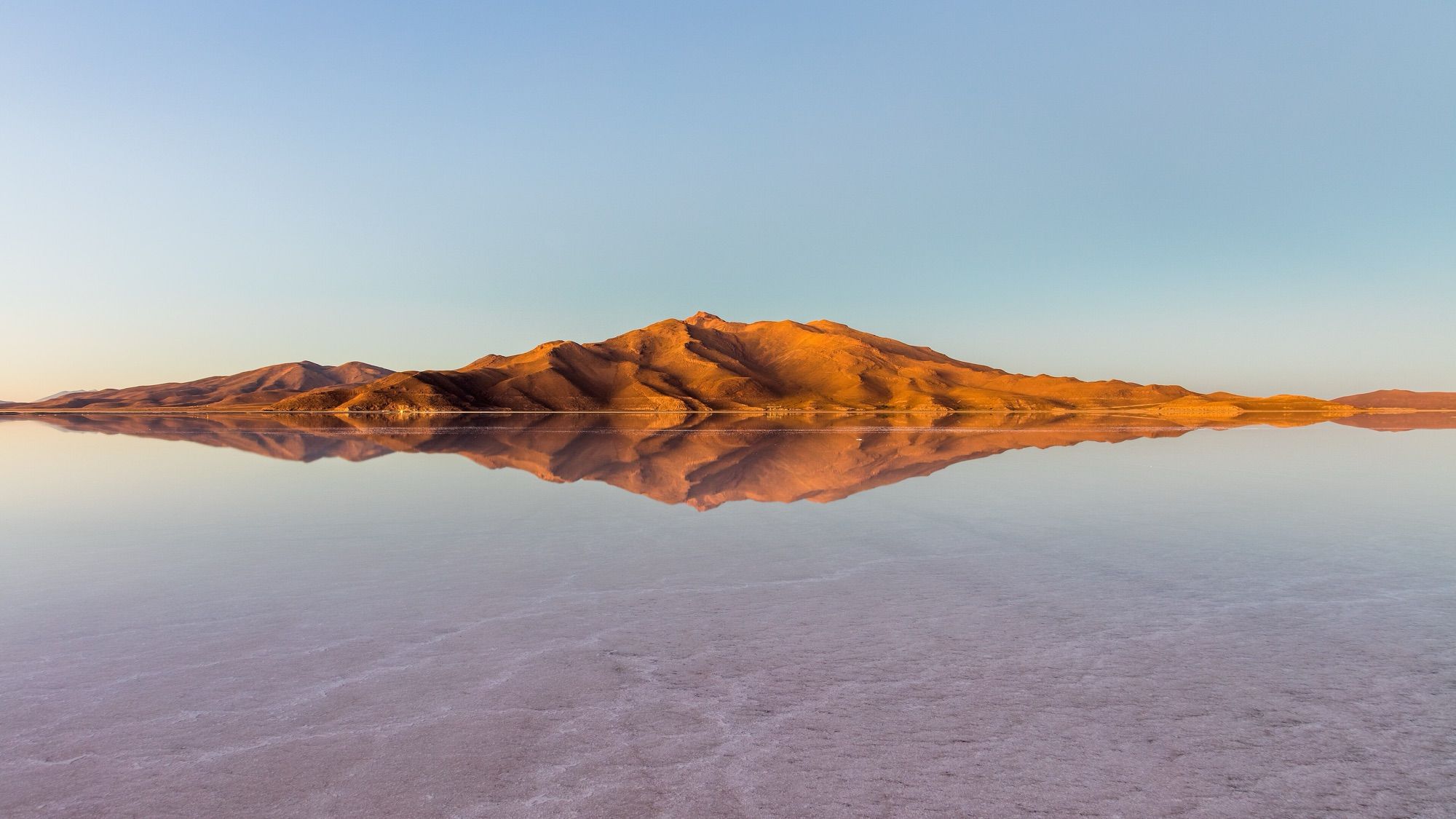
Bolivia is the high Andes at their most dramatic. Most of the country you'll see sits on the Altiplano, a plateau at around 3,600–4,000 m, and its landscapes feel like nowhere else: the white crust of the Salar de Uyuni, the deep blue of Lake Titicaca, snow-capped Illimani above the city of La Paz. Add the ruins of Tiwanaku, one of the great pre-Inca cultures, and Aymara and Quechua traditions that are part of daily life, and you have a trip that is as much about people and history as scenery.
When to go
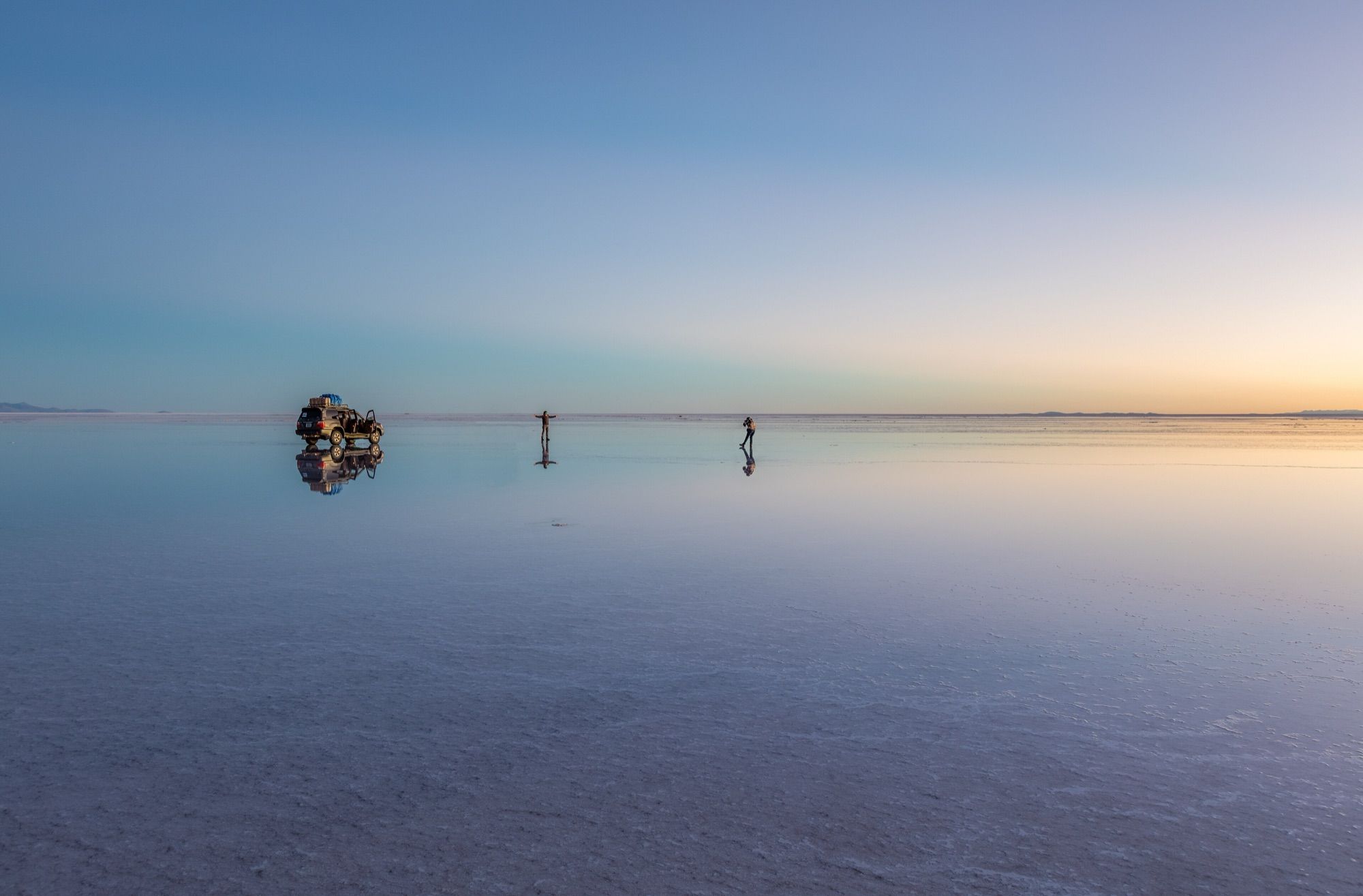
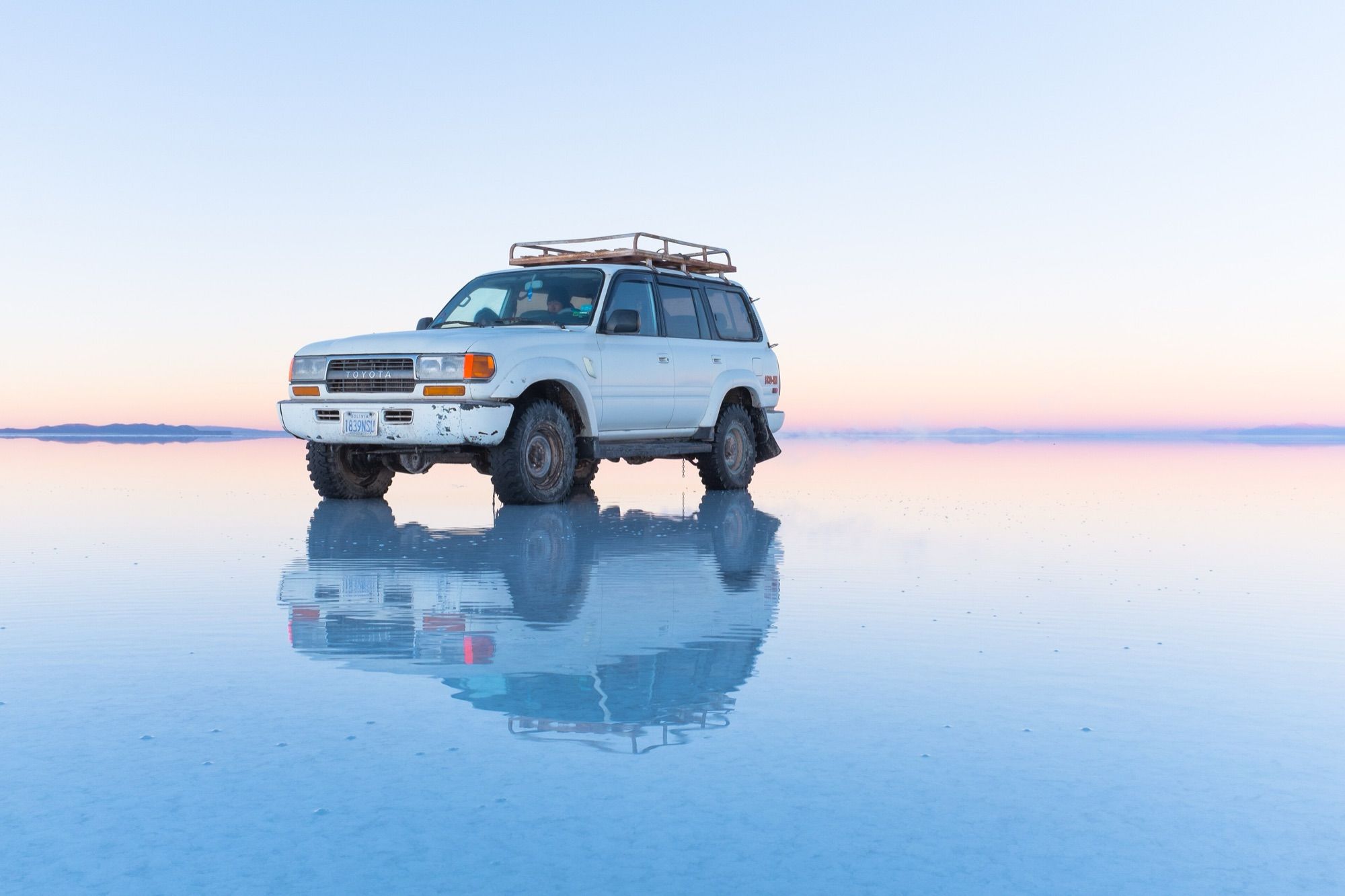
The dry season, roughly May to October, brings clear blue skies and the best conditions for touring, but nights on the Altiplano are cold, often below freezing. From about December to April it rains more, mostly in the afternoons. That wet season is when a thin layer of water can turn the Salar de Uyuni into a giant mirror, usually at its best from January to March. La Paz itself has mild days all year, typically 15–20 °C, and chilly nights.
Getting there from the UK
There are no direct flights from the UK. The usual route is one stop: Avianca flies from London Heathrow to Bogotá, then on to La Paz. You land at El Alto International Airport, at about 4,060 m one of the highest in the world, on the plateau above the city. Bolivia is four hours behind the UK in winter and five hours behind in British summer time.
Where to stay
- La Paz is the natural base: the seat of government, packed into a canyon at around 3,600 m. The leafy Sopocachi district, a short ride from the centre, is one of the city's most pleasant residential areas.
- Uyuni is the small town at the edge of the salt flat, the starting point for jeep excursions. Nights out on the salt flat and in the reserves are spent in simple lodges and salt hotels.
- Copacabana, on the shore of Lake Titicaca, is the gateway to Isla del Sol.
What to do
- Drive across the Salar de Uyuni, over 10,000 km² of salt and the largest salt flat in the world, and climb Incahuasi Island among giant cacti.
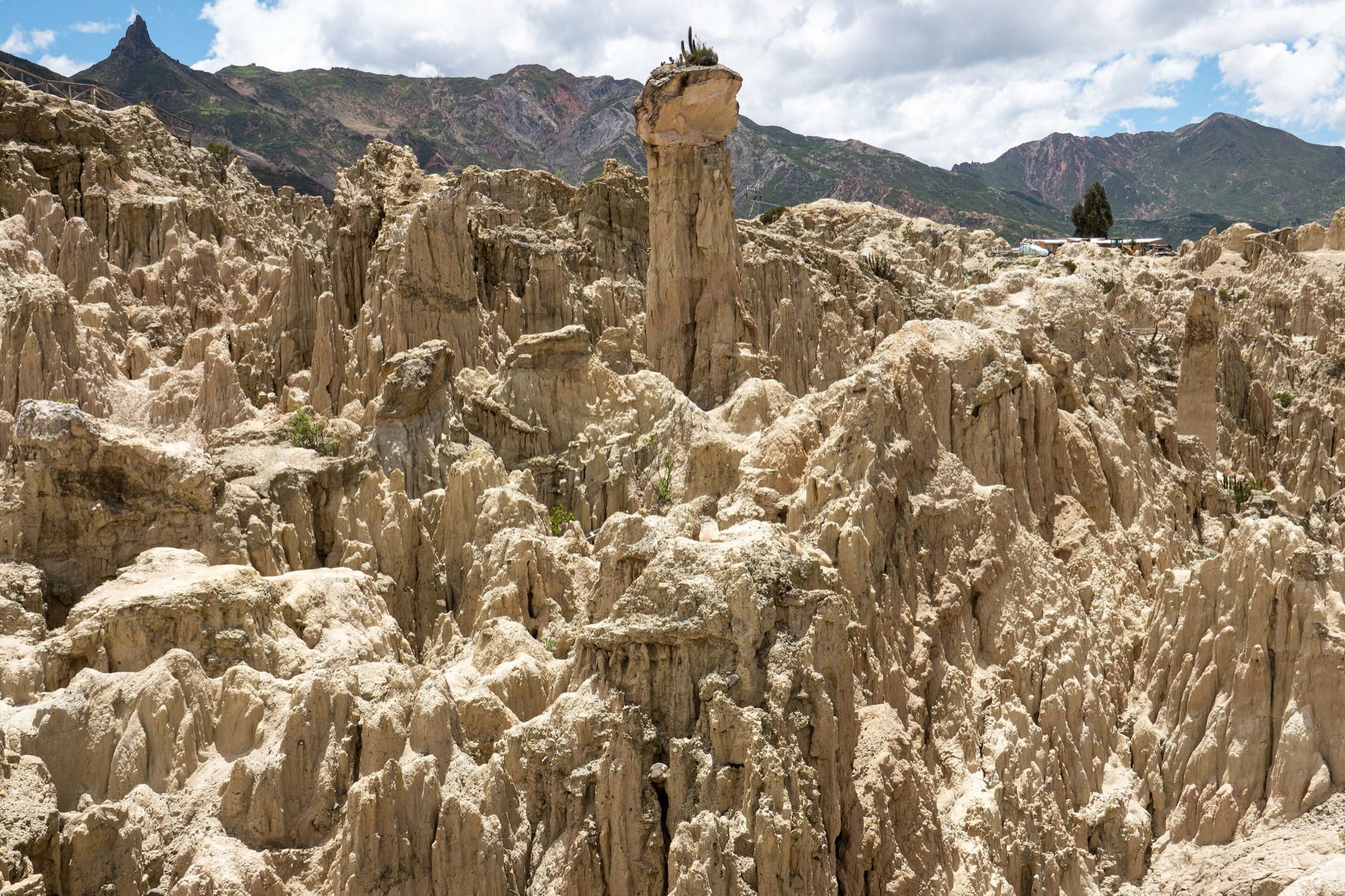
- Walk among the clay pinnacles of the Valle de la Luna and the Valle de las Ánimas, then look over La Paz from Mirador Killi Killi.
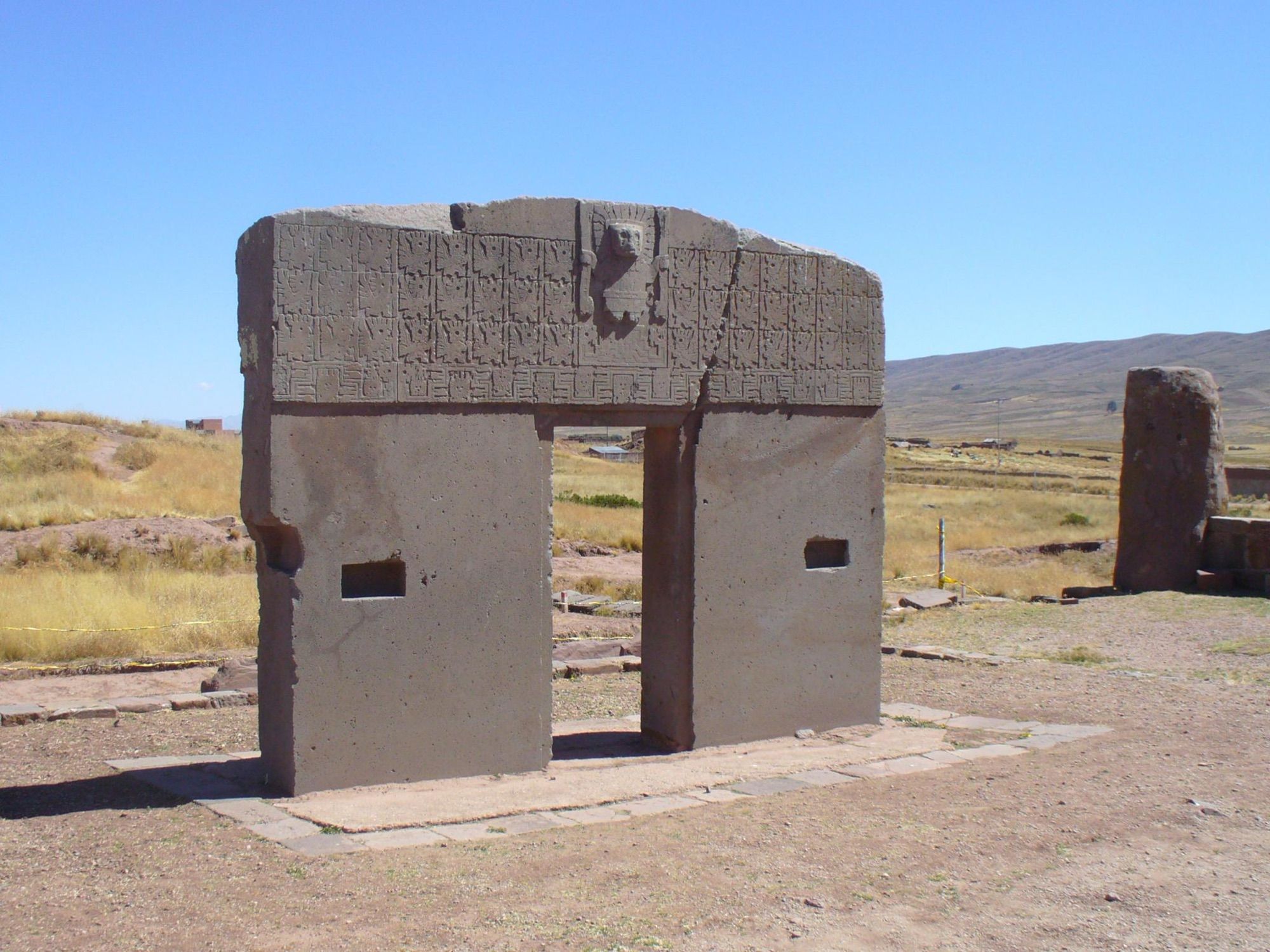
- Explore Tiwanaku, a UNESCO World Heritage Site, with the Gate of the Sun and the precisely cut stones of Puma Punku.
- Ride Mi Teleférico, the city's cable car network, up to El Alto for views of the canyon and Illimani.
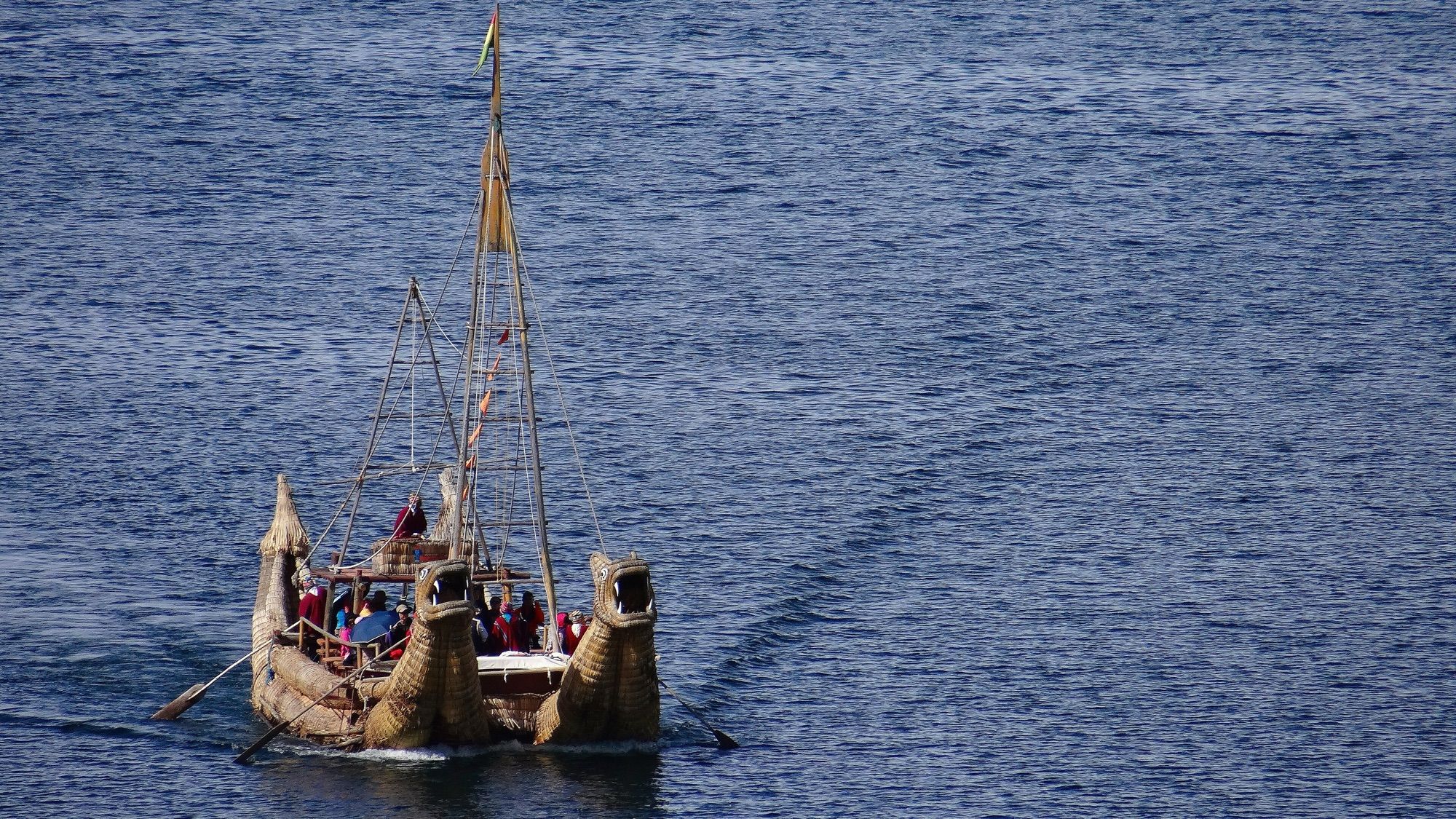
- Spend a day on Lake Titicaca, at about 3,812 m, and ride a boat made of totora reeds.
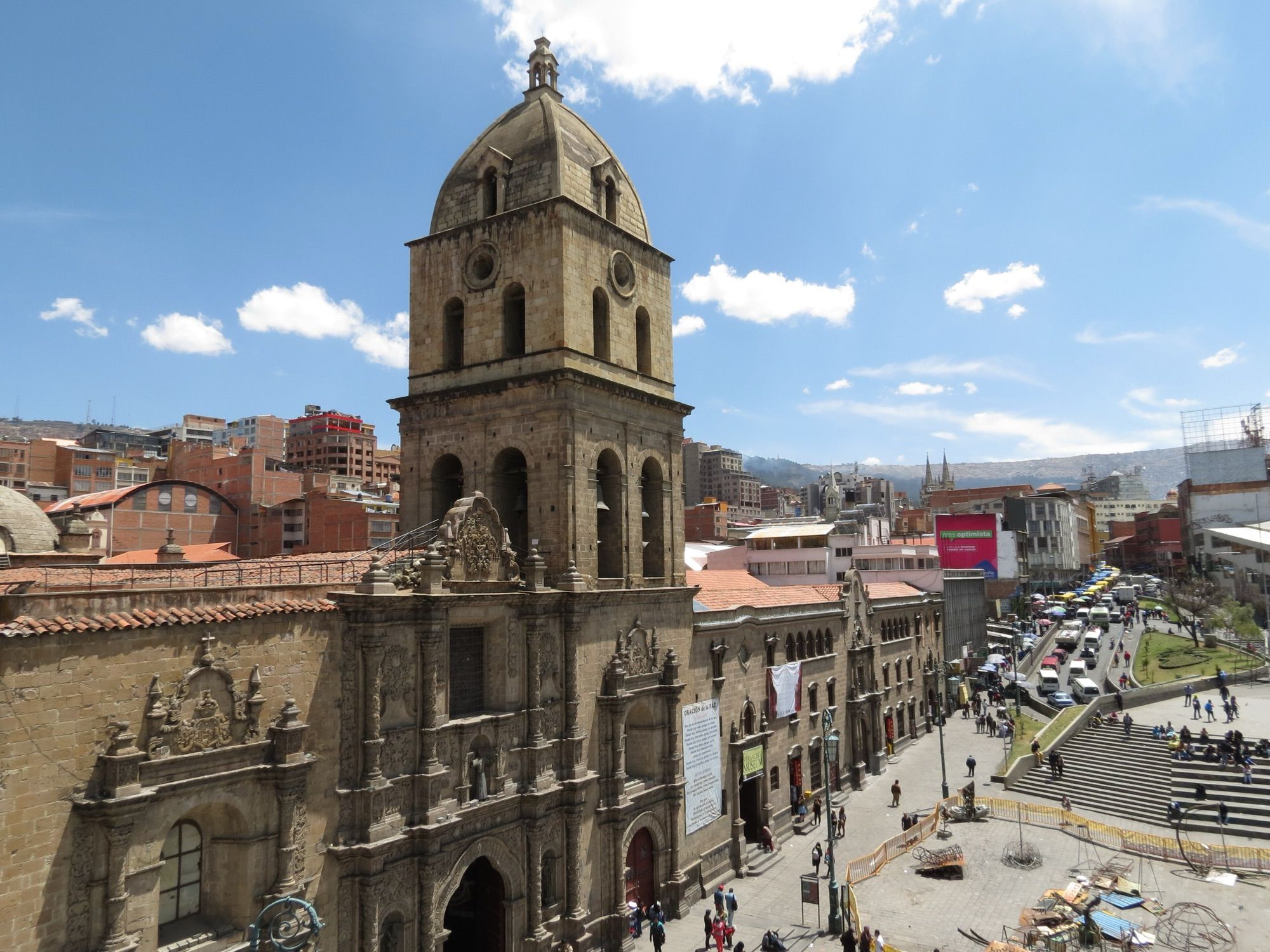
- Browse the Witches' Market and the colonial streets around the Basílica de San Francisco and Calle Jaén.
Food
Start the day like a local with a salteña, a juicy baked pasty, and try api, a warm purple-corn drink, at a street stall. Quinoa grows on the Altiplano and appears in soups and salads; trout from Lake Titicaca is on menus all around the lake. In La Paz, look out for anticuchos (grilled skewers) in the evening.
Good to know
- Altitude: La Paz, Uyuni and Lake Titicaca are all above 3,600 m. Take the first day or two easy, drink plenty of water and talk to your doctor before you travel if you have heart or breathing conditions.
- Currency: the boliviano (BOB). Carry some cash for markets and entrance fees outside La Paz.
- Language: Spanish, with Aymara and Quechua widely spoken.
- What to pack: layers, a warm jacket and hat for the evenings, sun cream and sunglasses: the sun is strong at altitude.
Tell us your dates and we'll plan your Bolivia trip around them.