Saint Lucia
The Pitons, rainforest and sheltered bays: Saint Lucia pairs Caribbean beaches with volcanoes, waterfalls and adults-only resorts.
Why go
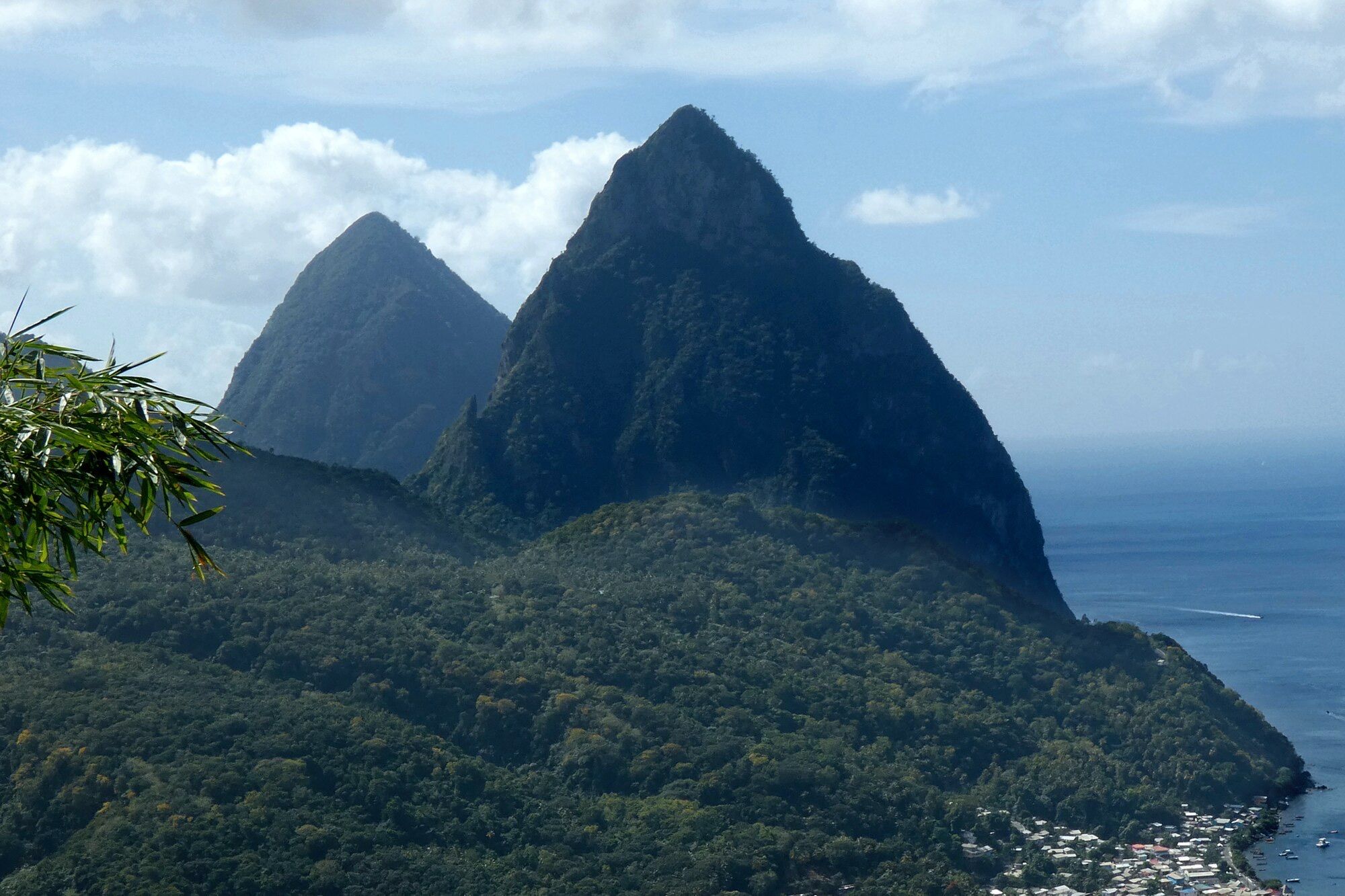
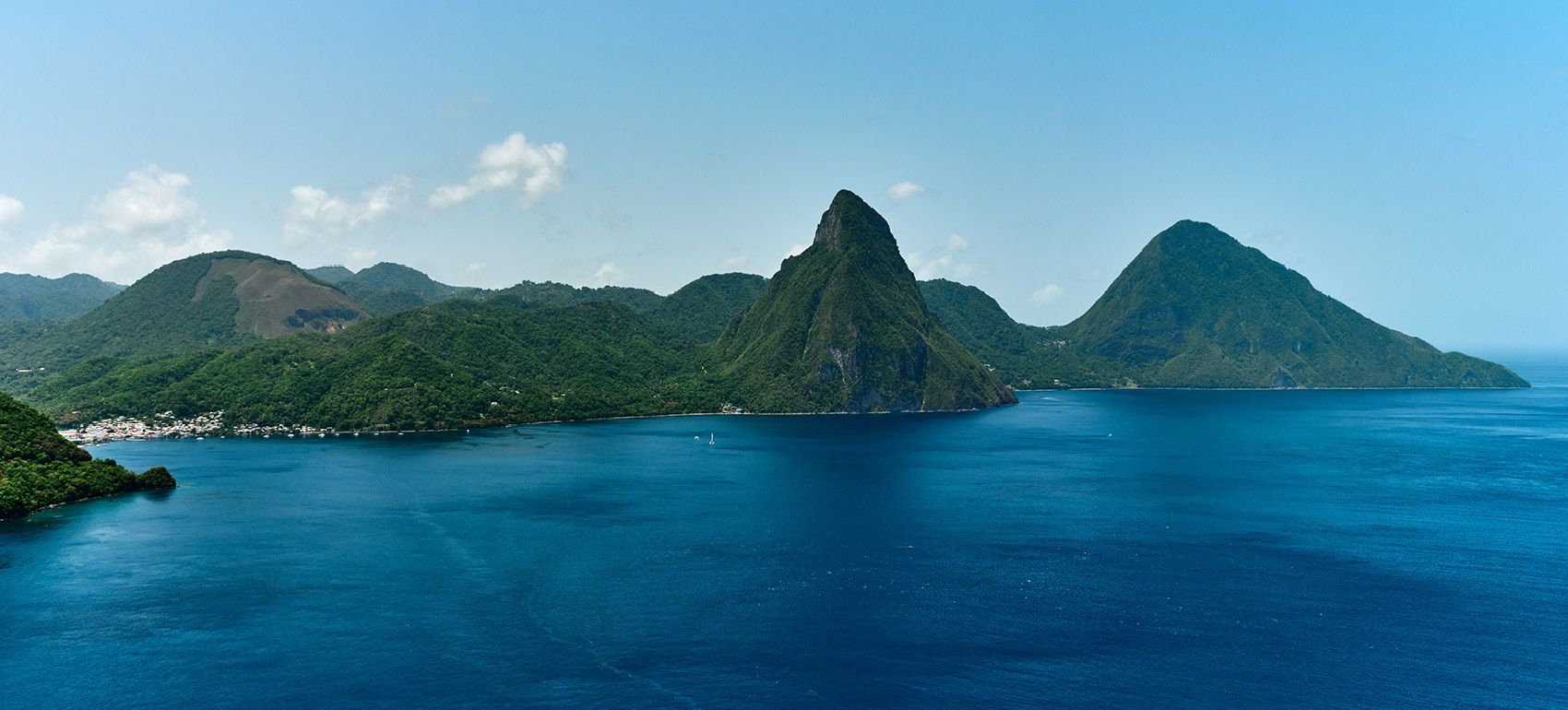
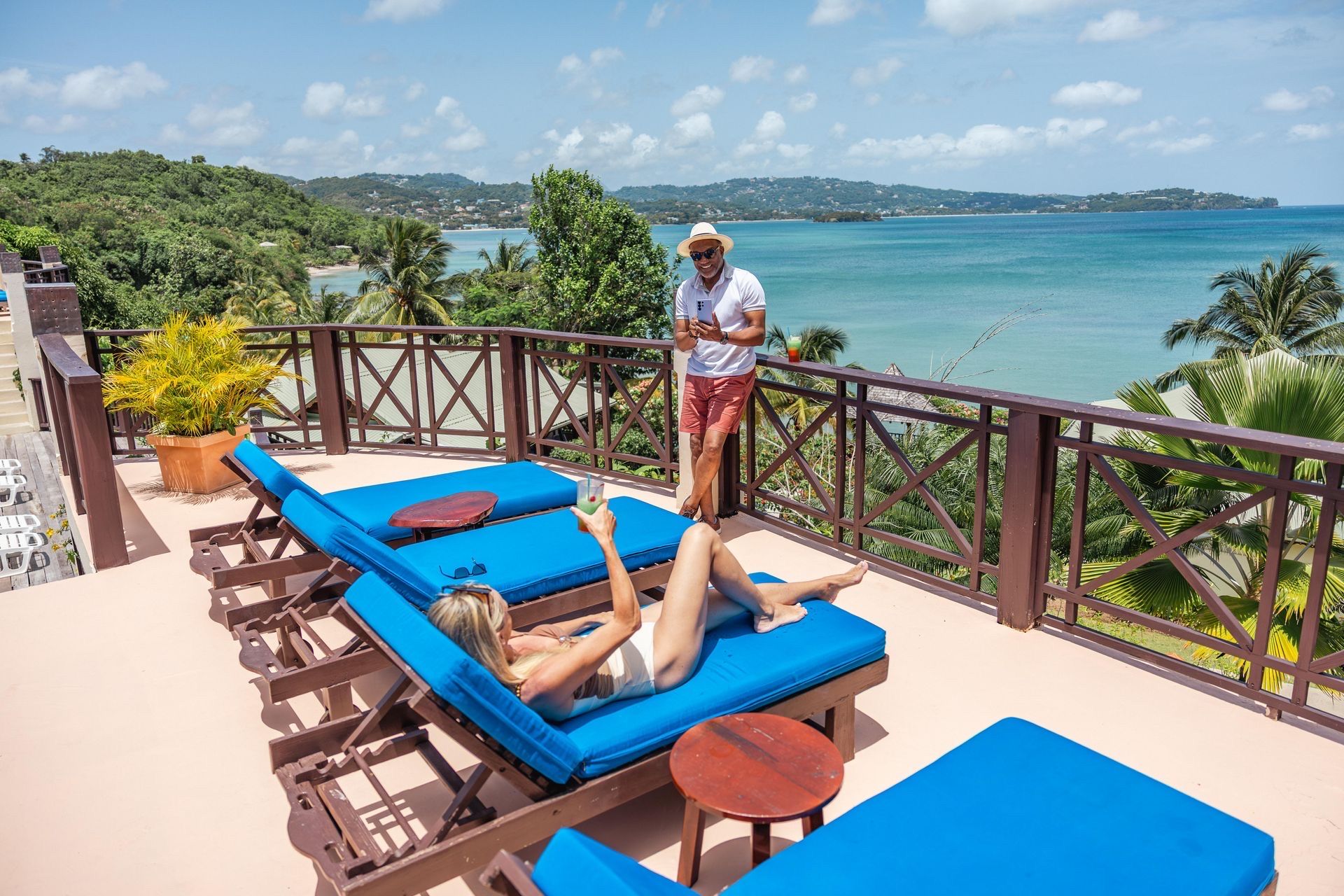
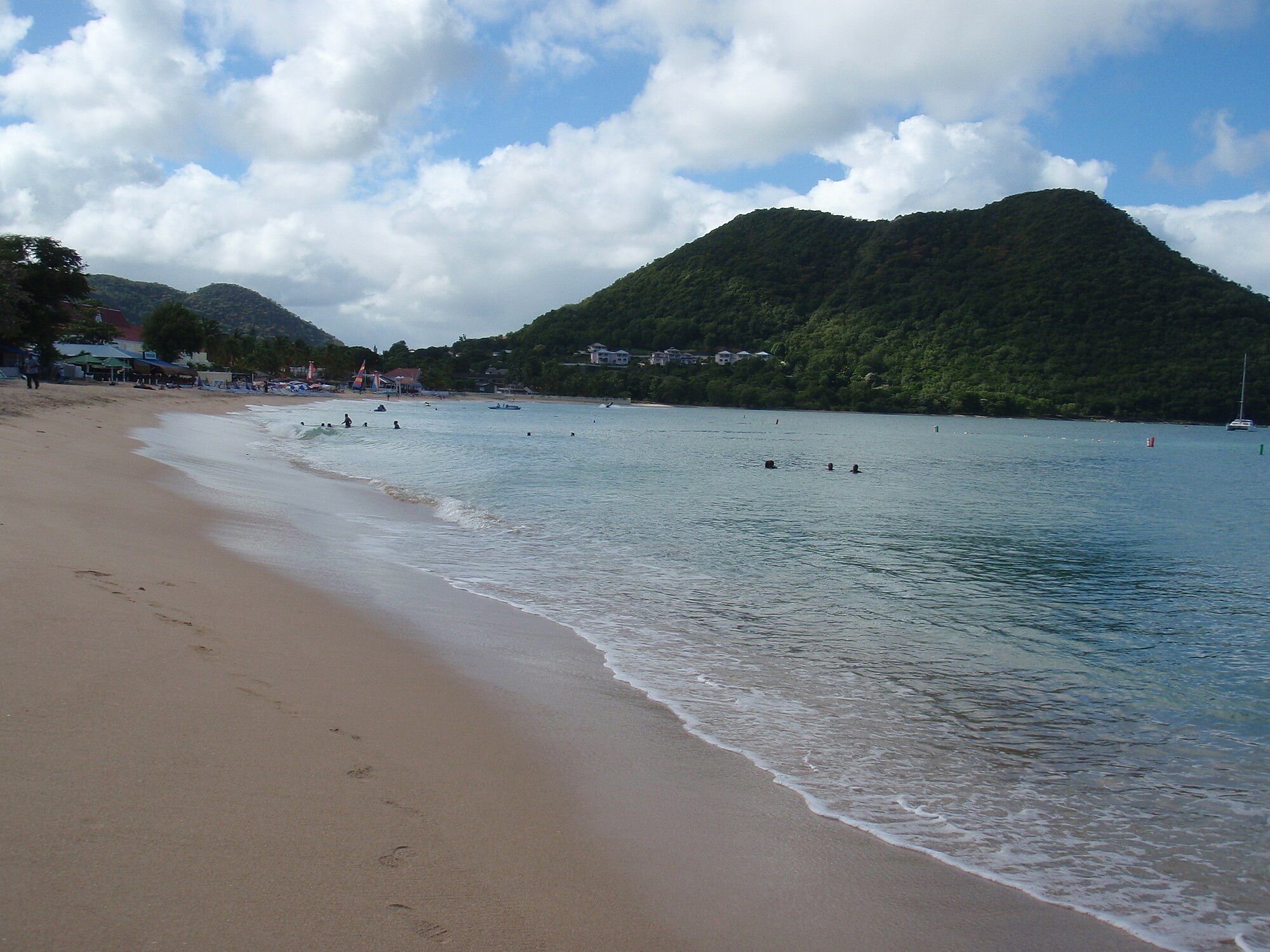
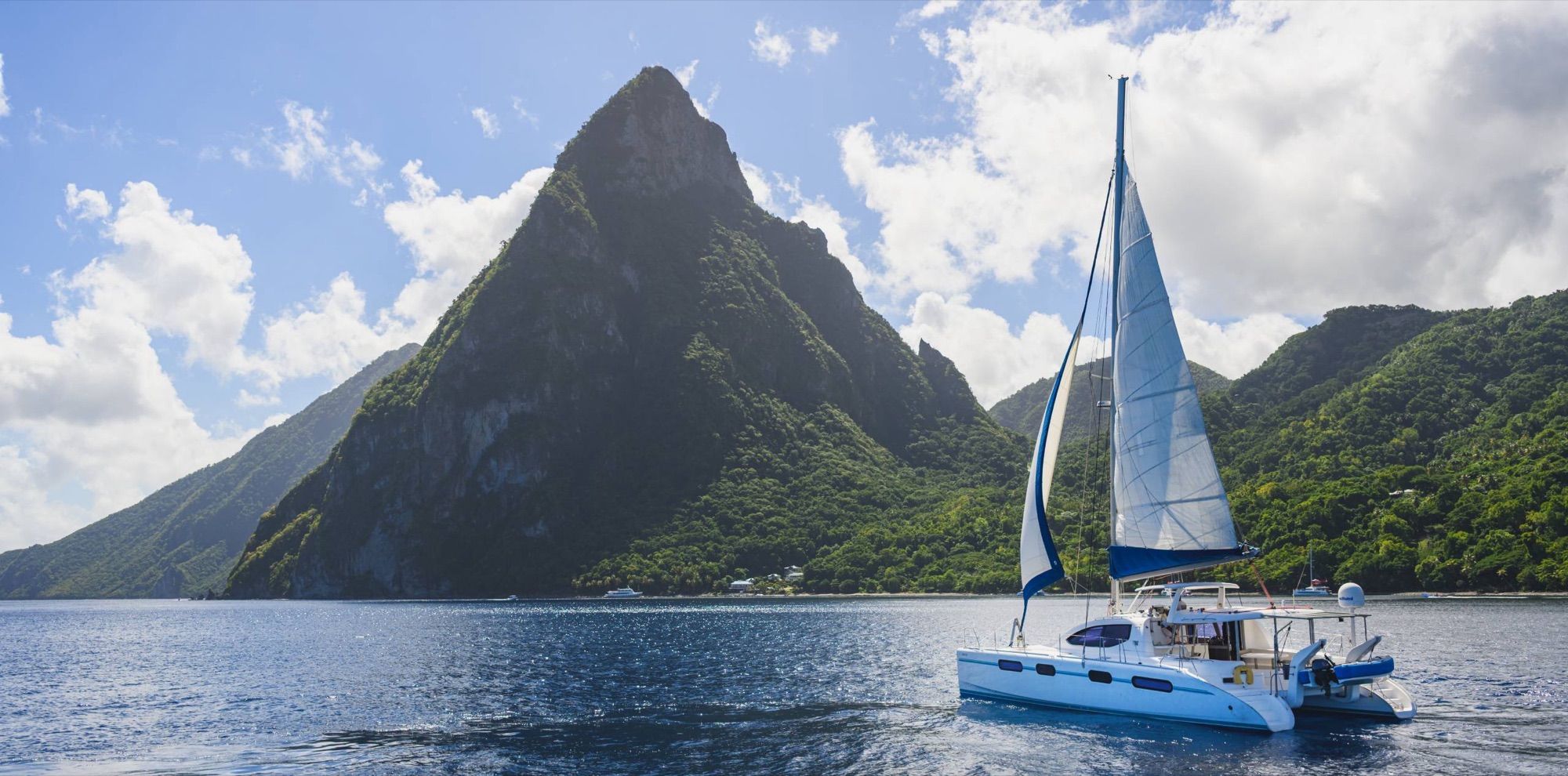
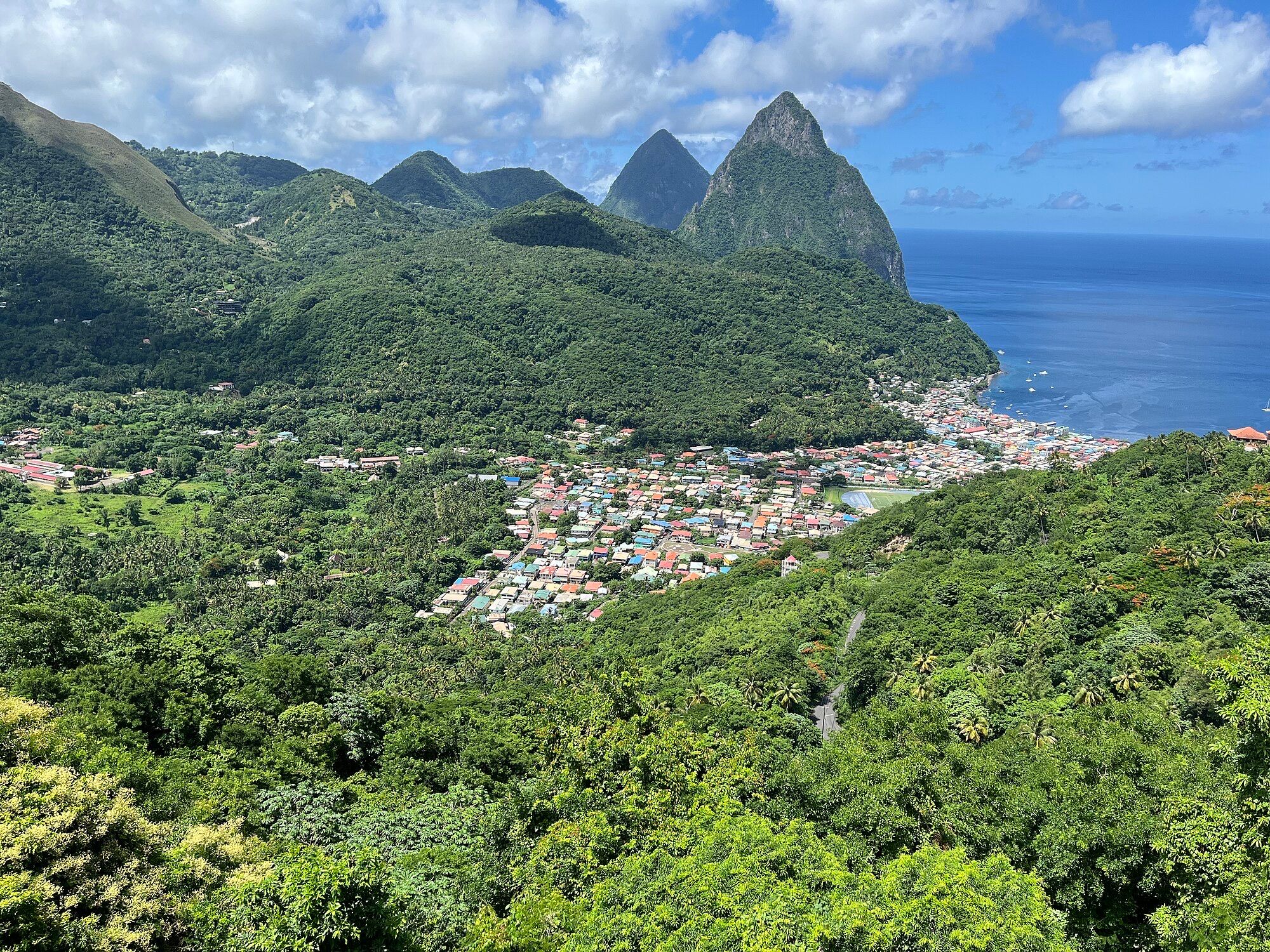
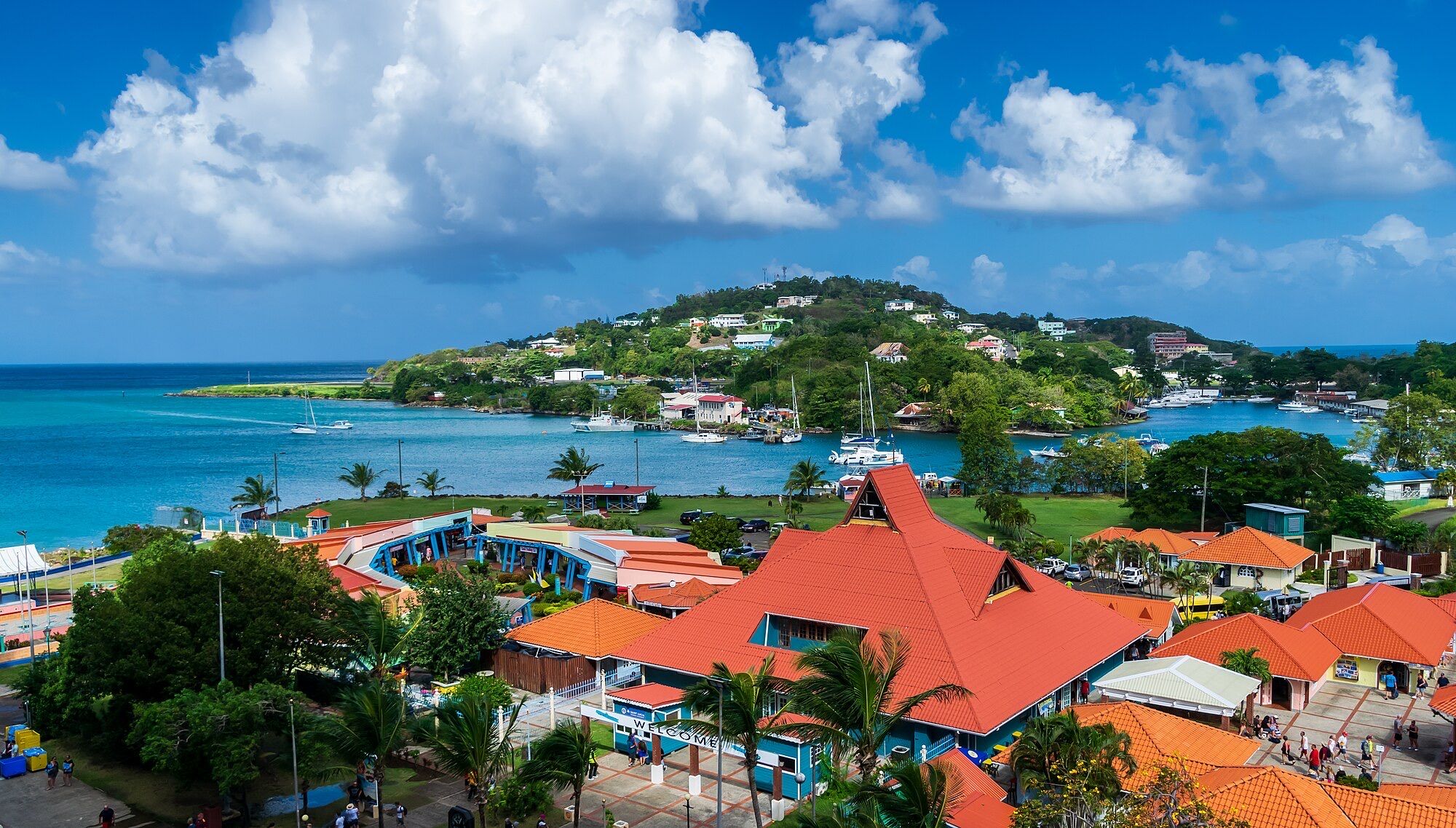
Saint Lucia is the Caribbean island with mountains. The twin volcanic spires of Gros Piton and Petit Piton rise straight out of the sea on the south-west coast, and the land around them, the Pitons Management Area, is a UNESCO World Heritage Site. Inland, rainforest covers the steep interior; along the coast, sheltered bays such as Marigot Bay and Rodney Bay fill with yachts. It suits couples above all, with plenty of adults-only resorts, but it works just as well for anyone who wants beach days mixed with a boat trip, a waterfall and a walk.
When to go
It's warm all year, with temperatures mostly in the high 20s to low 30s °C. The dry season, roughly December to May, is the most popular time and the best for winter sun. June to November is hurricane season in the Caribbean: it's hotter, more humid and wetter, with short tropical downpours, and you'll often find better value.
Getting there from the UK
British Airways flies direct from London Gatwick to Hewanorra International Airport (UVF) in the south of the island, in around nine hours, and runs a daily service through winter 2026/27. Most resorts are in the north, so allow about 1 hour 20 minutes to 1 hour 30 minutes for the transfer along the coast road. Saint Lucia is four hours behind the UK in winter (five in British summer time).
Where to stay
- Rodney Bay and Gros Islet (north): the liveliest area, with Reduit Beach, the marina, restaurants, bars and the Friday-night street party in Gros Islet. Good for first-timers and families.
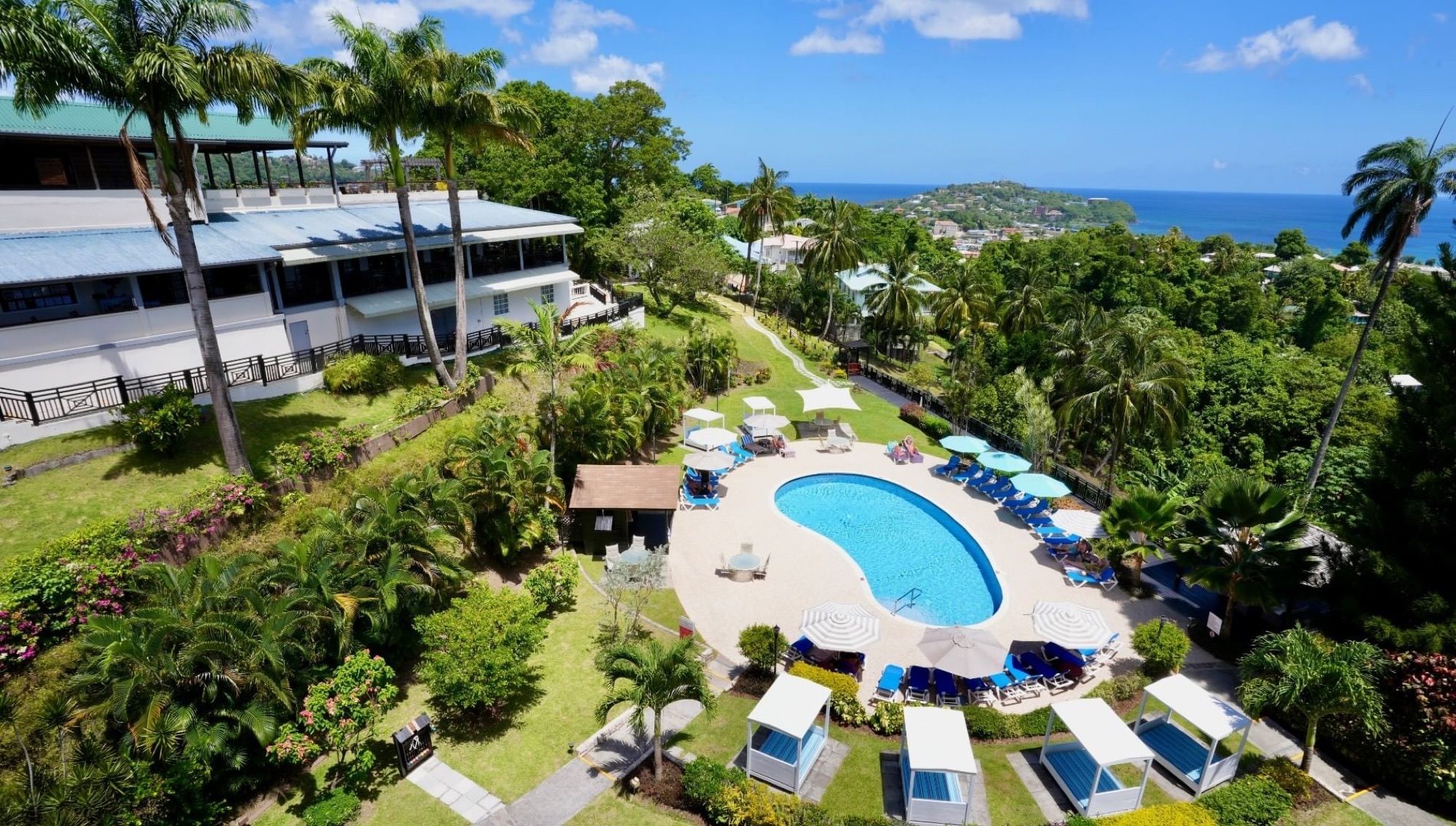
- Castries and the north-west coast: the capital, its market and harbour, with hillside hotels and quiet coves such as Choc Bay and Marisule between town and Rodney Bay.
- Marigot Bay: a deep, sheltered inlet lined with palms and yachts, halfway down the west coast.
- Soufrière and the Pitons (south-west): the scenic heart of the island, with the volcano, waterfalls and the best views of the Pitons.
What to do
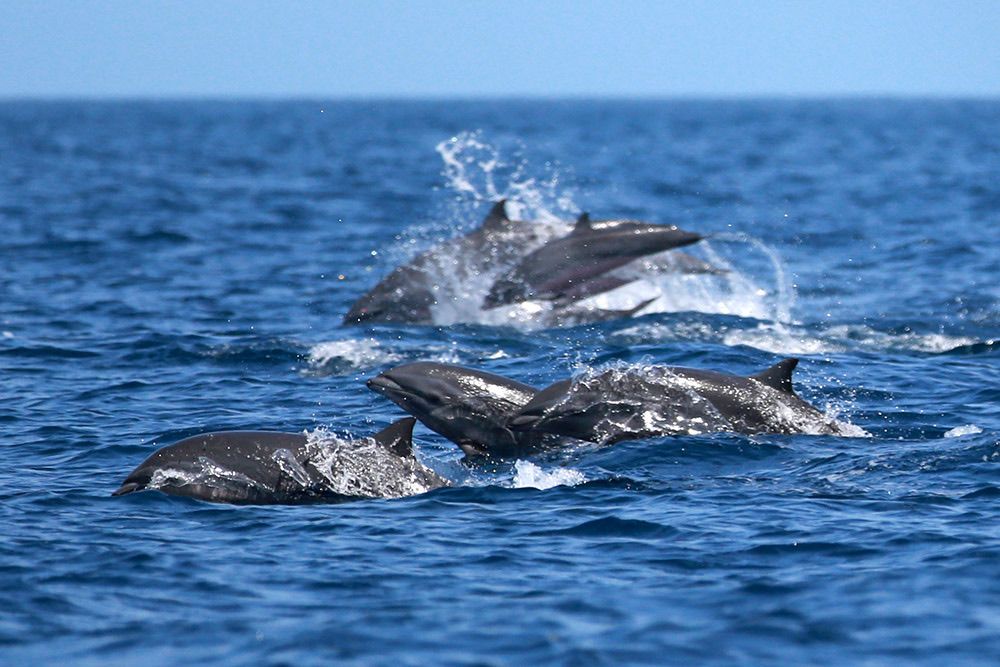
Sail down the west coast to Soufrière, take a mud bath at the Sulphur Springs "drive-in volcano" and swim at a waterfall. Climb to Fort Rodney on Pigeon Island for views over Rodney Bay, glide through the rainforest canopy on a zip line or aerial tram, and head out to sea to look for the dolphins and whales that live off the west coast. Divers and snorkellers head to the reefs below the Pitons.
Food and drink
Green fig and saltfish, made with green bananas, is the national dish. Look out for accra (saltfish fritters), bouyon (a hearty one-pot stew), cocoa tea made with local cocoa and freshly grilled fish and lambi (conch). Saint Lucia grows its own cocoa and makes its own rum, and the local lager is Piton. On Friday nights, the street party in Gros Islet is the place for barbecued fish and chicken with music in the street.
Good to know
- Currency: Eastern Caribbean dollar (EC$). US dollars are widely accepted in tourist areas.
- Language: English is the official language; most Saint Lucians also speak Kwéyòl, a French-based Creole.
- Plugs: mostly UK-style three-pin sockets, at around 230 volts.
- Driving: on the left, as in the UK.