Nepal
Temples and stupas in the Kathmandu Valley, Himalayan sunrises over Pokhara, the birthplace of the Buddha and rhinos in Chitwan.
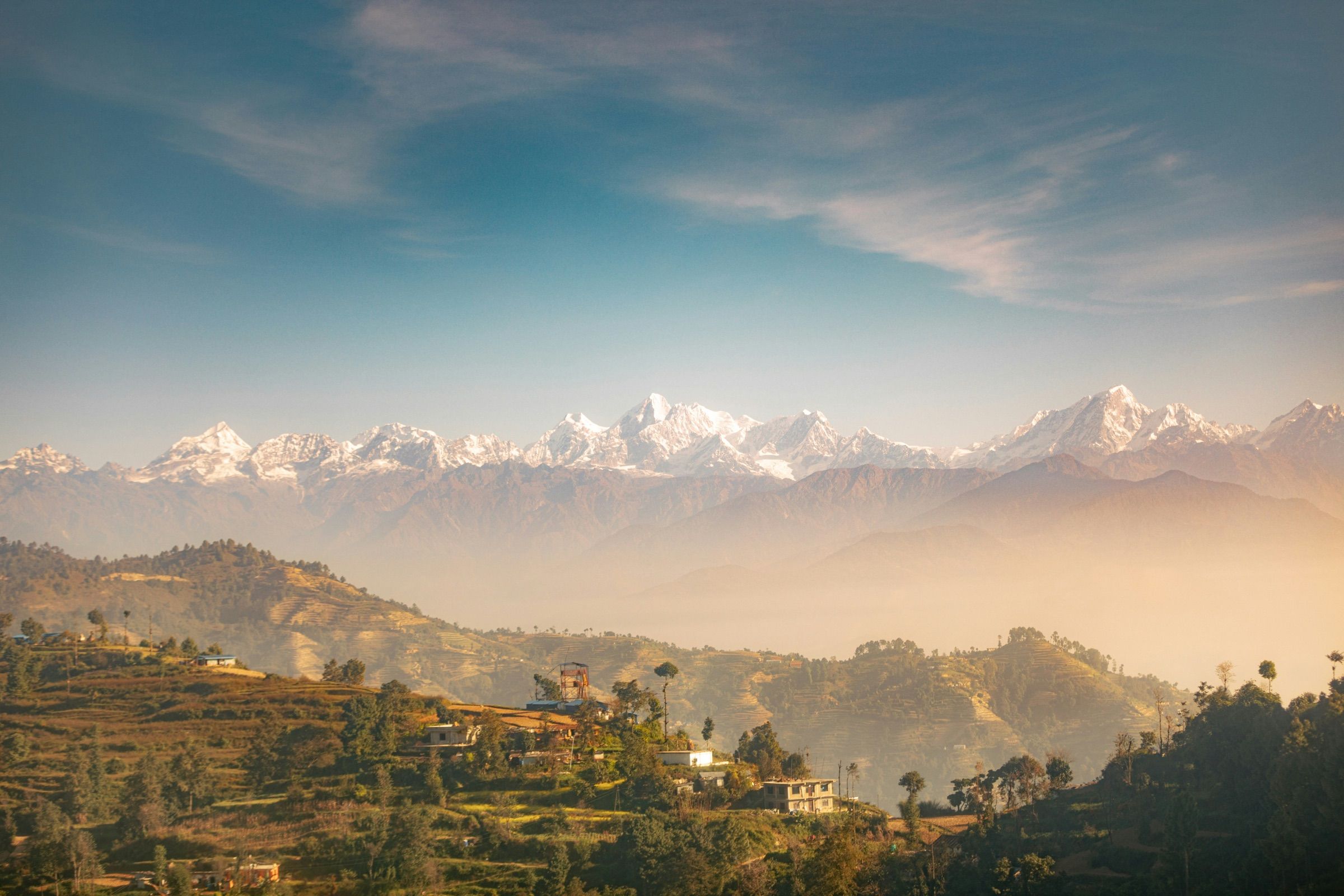
Nepal packs living heritage, the world's highest mountains and lowland jungle into one country. You can walk medieval squares in the morning and watch the sun rise over the Annapurna range the next day.
Kathmandu Valley
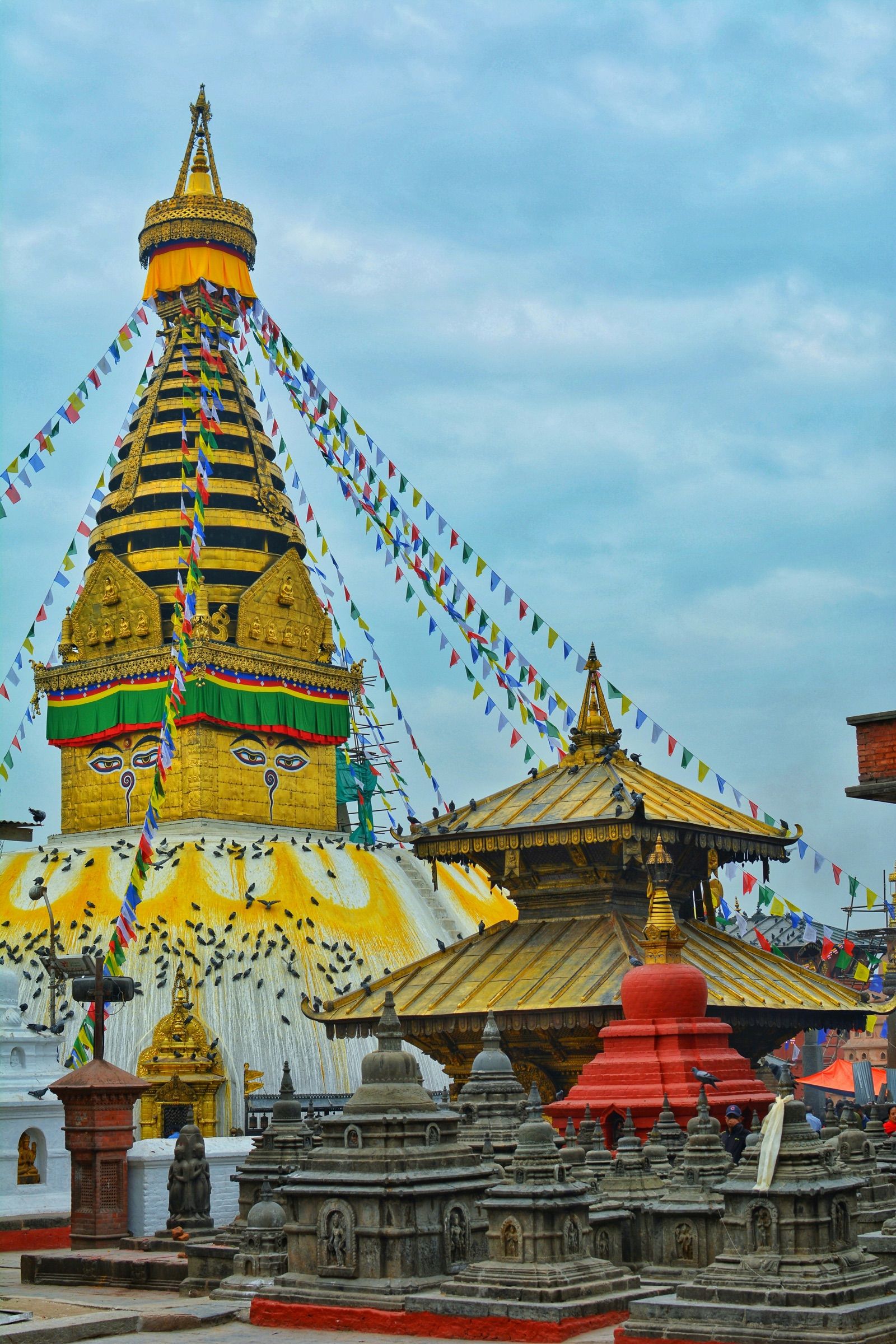
The valley's seven UNESCO monument zones include the Durbar Squares of Kathmandu, Patan and Bhaktapur, Swayambhunath on its hill above the city, Boudhanath, Nepal's largest stupa, and Pashupatinath, the most revered Hindu temple, on the Bagmati river.
Pokhara and the hills
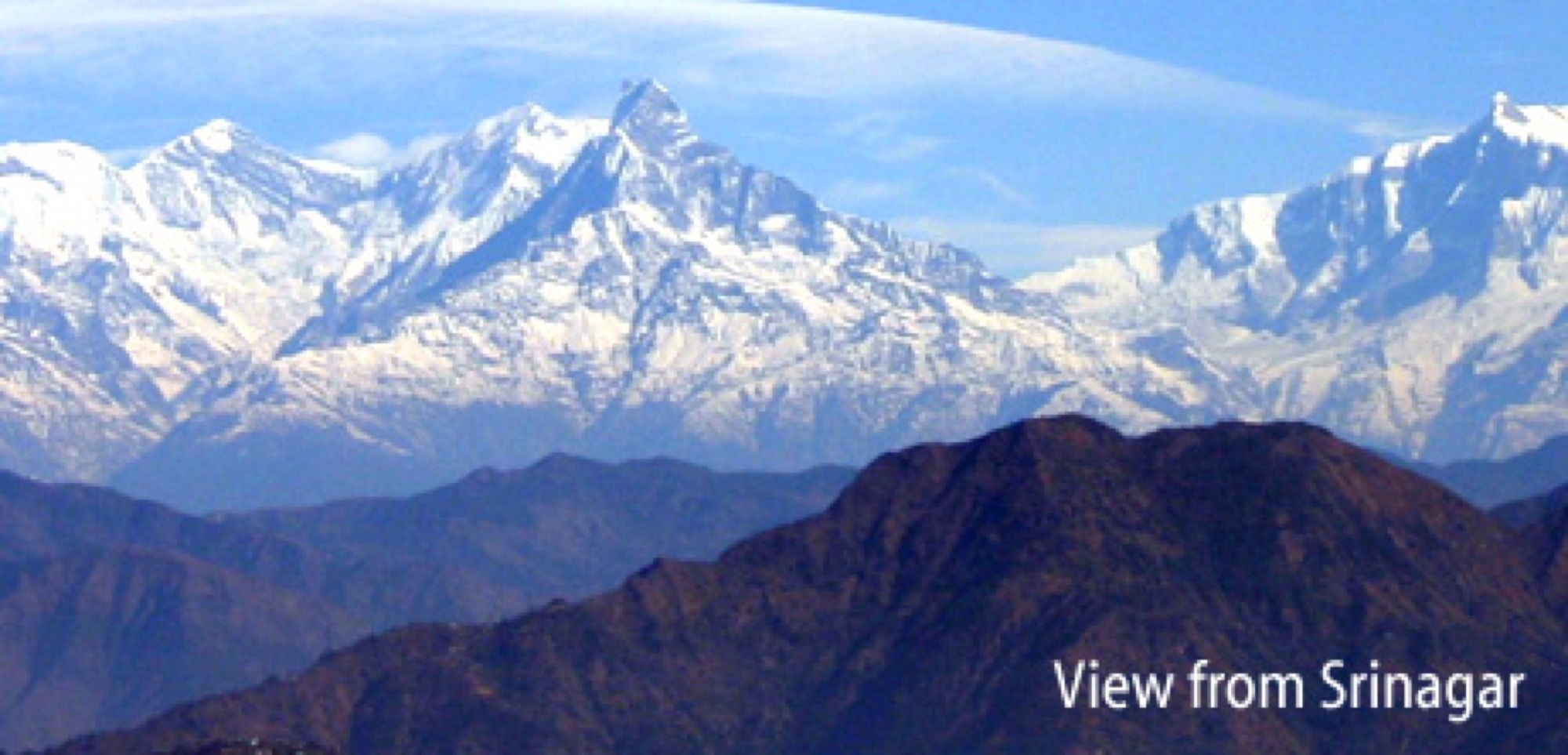
Pokhara sits on Phewa Lake, with Machhapuchhare and the Annapurnas on the skyline. Sarangkot, above the lake, is the classic sunrise viewpoint. Further south, the hill town of Tansen keeps its Newar houses and cobbled bazaar.
Lumbini and Chitwan
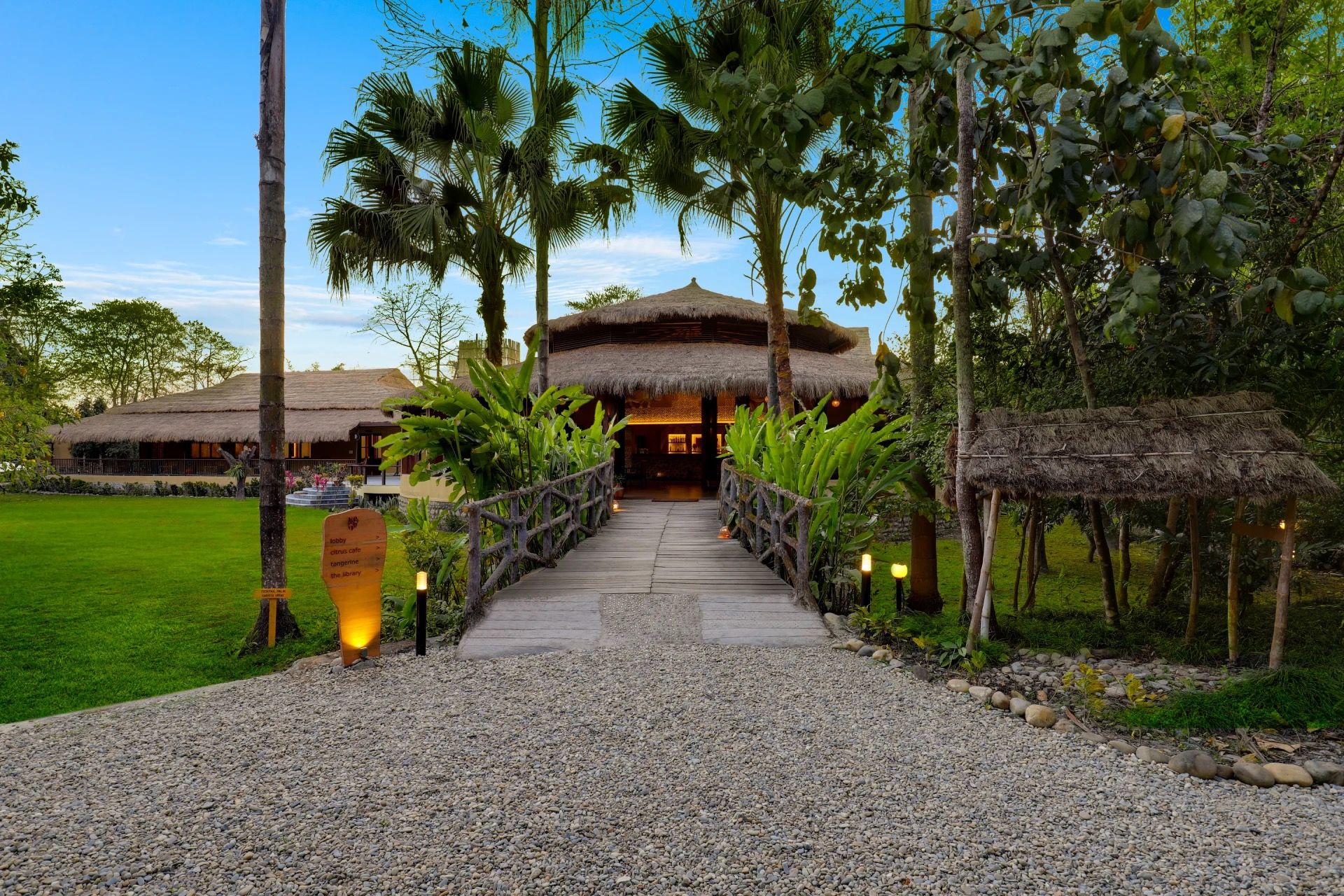
Lumbini, a UNESCO World Heritage Site, is the birthplace of the Buddha: the Sacred Garden holds the Maya Devi Temple and the Ashoka Pillar. Chitwan, Nepal's first national park, is home to the one-horned rhino, the Bengal tiger and hundreds of bird species.
The Everest region
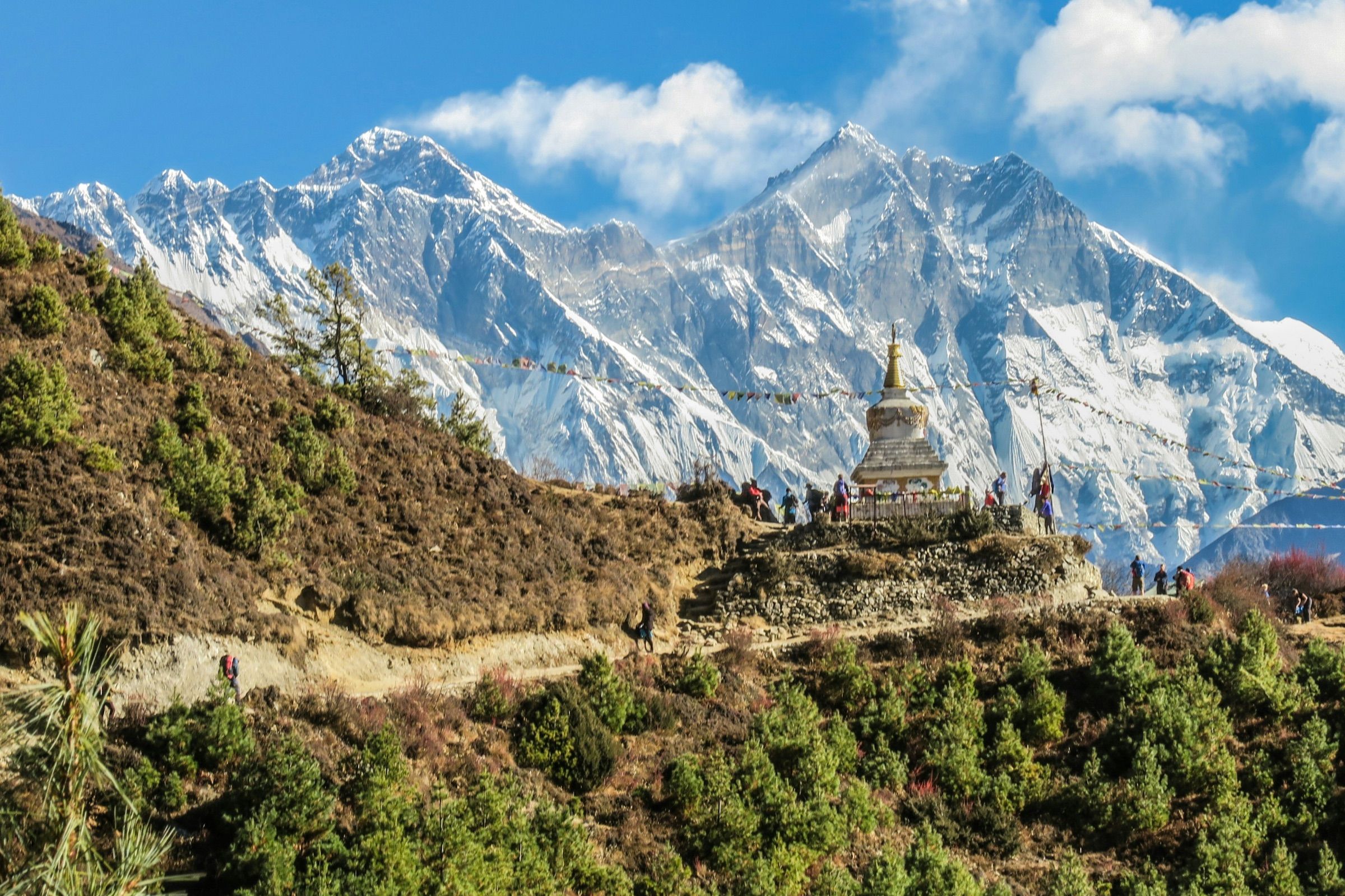
The Khumbu, inside Sagarmatha National Park, is the Sherpa homeland and the trail to Everest Base Camp.
Good to know
- Capital: Kathmandu
- Currency: Nepalese rupee (NPR)
- Time: UTC+5:45, with no daylight saving
- Electricity: 230 V. Bring a plug adaptor
- Best time to go: autumn (October and November) for the clearest skies, and spring (March to May). The monsoon runs from June to September