Bulgaria
Sofia below Mount Vitosha, Plovdiv's Roman theatre and old town, and the Black Sea coast from Burgas to Old Nessebar and Sunny Beach.
Bulgaria packs a capital city, one of Europe's oldest towns and a long Black Sea coastline into a country you reach on a direct flight from London. It has used the euro since 1 January 2026.
Sofia
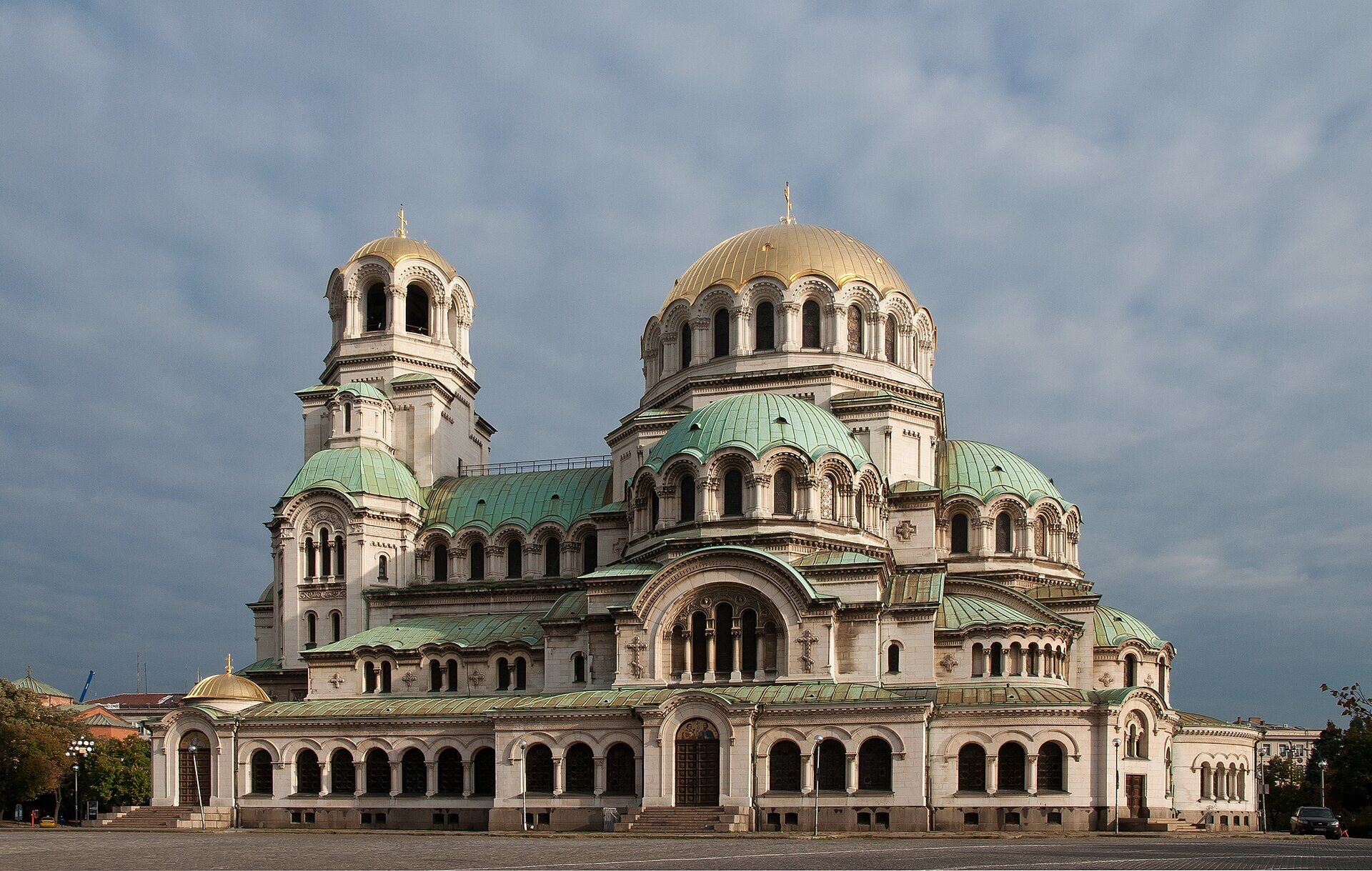
The capital sits in a wide valley at the foot of Mount Vitosha. Walk from the gold domes of St Alexander Nevsky Cathedral, built between 1882 and 1912, to the Roman remains of Serdica by Serdika metro station, then on to Vitosha Boulevard for cafés and shops. Boyana Church, on the edge of the city, is on UNESCO's World Heritage List.
Plovdiv
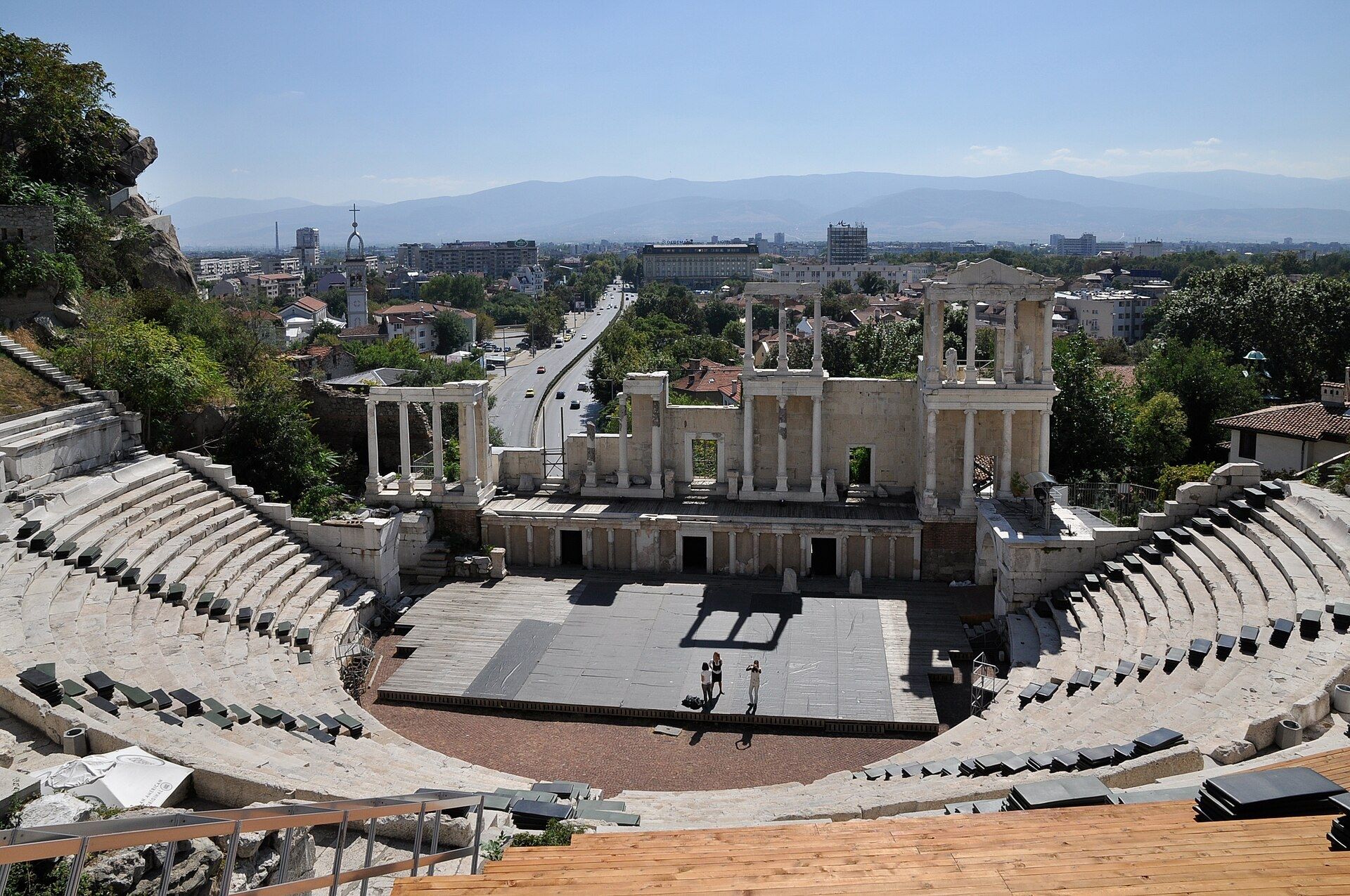
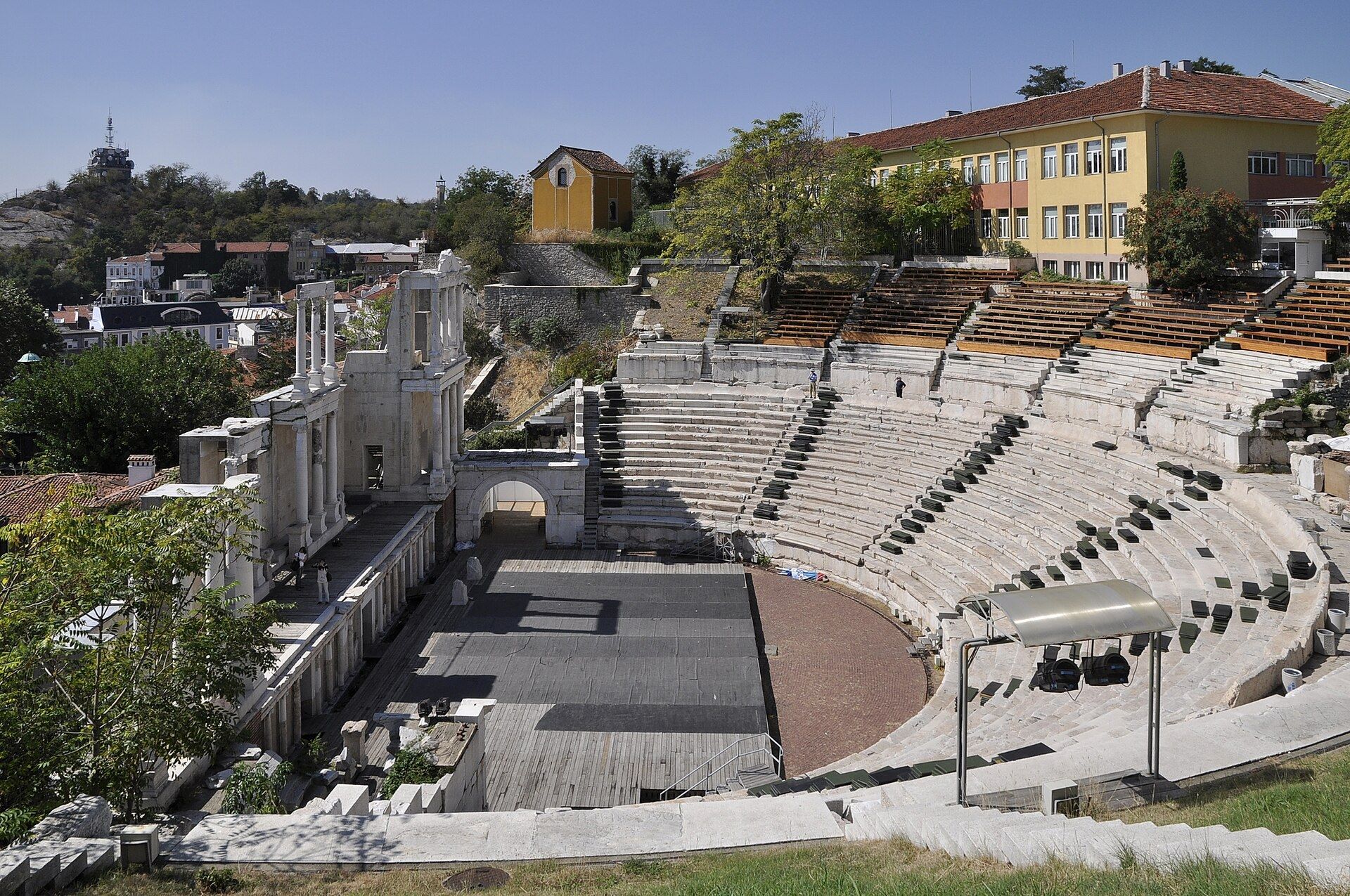
Plovdiv calls itself the oldest living city in Europe, and it was European Capital of Culture in 2019. Its Roman theatre, built under Emperor Trajan, still stages performances. Above it, the Old Town's painted 19th-century houses climb the hill, while the lanes of Kapana, the old craftsmen's quarter, are now full of galleries and bars.
The Black Sea coast
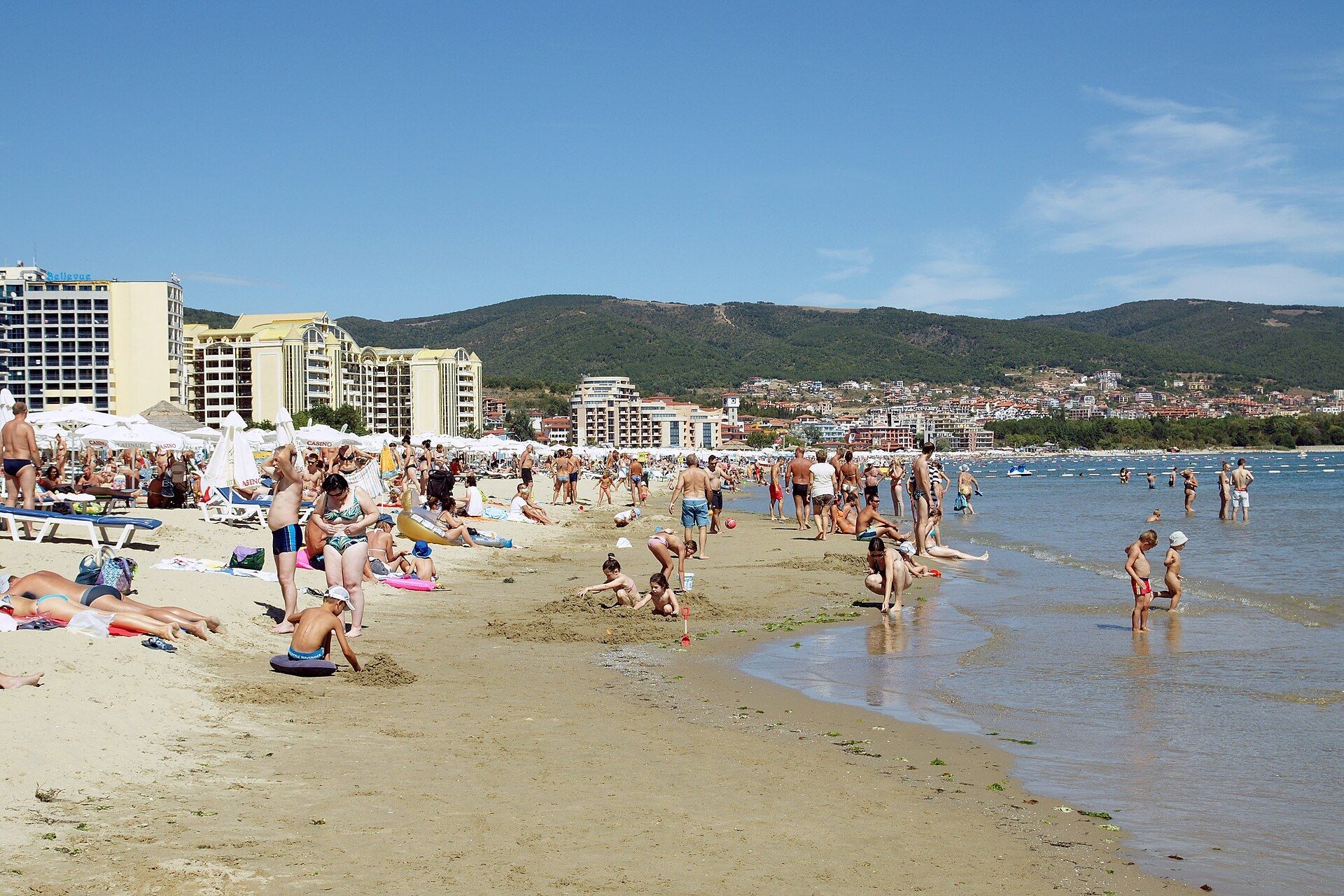
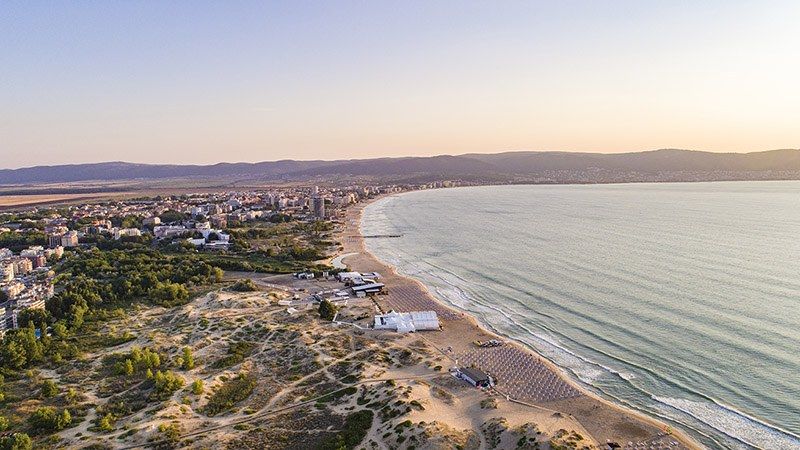
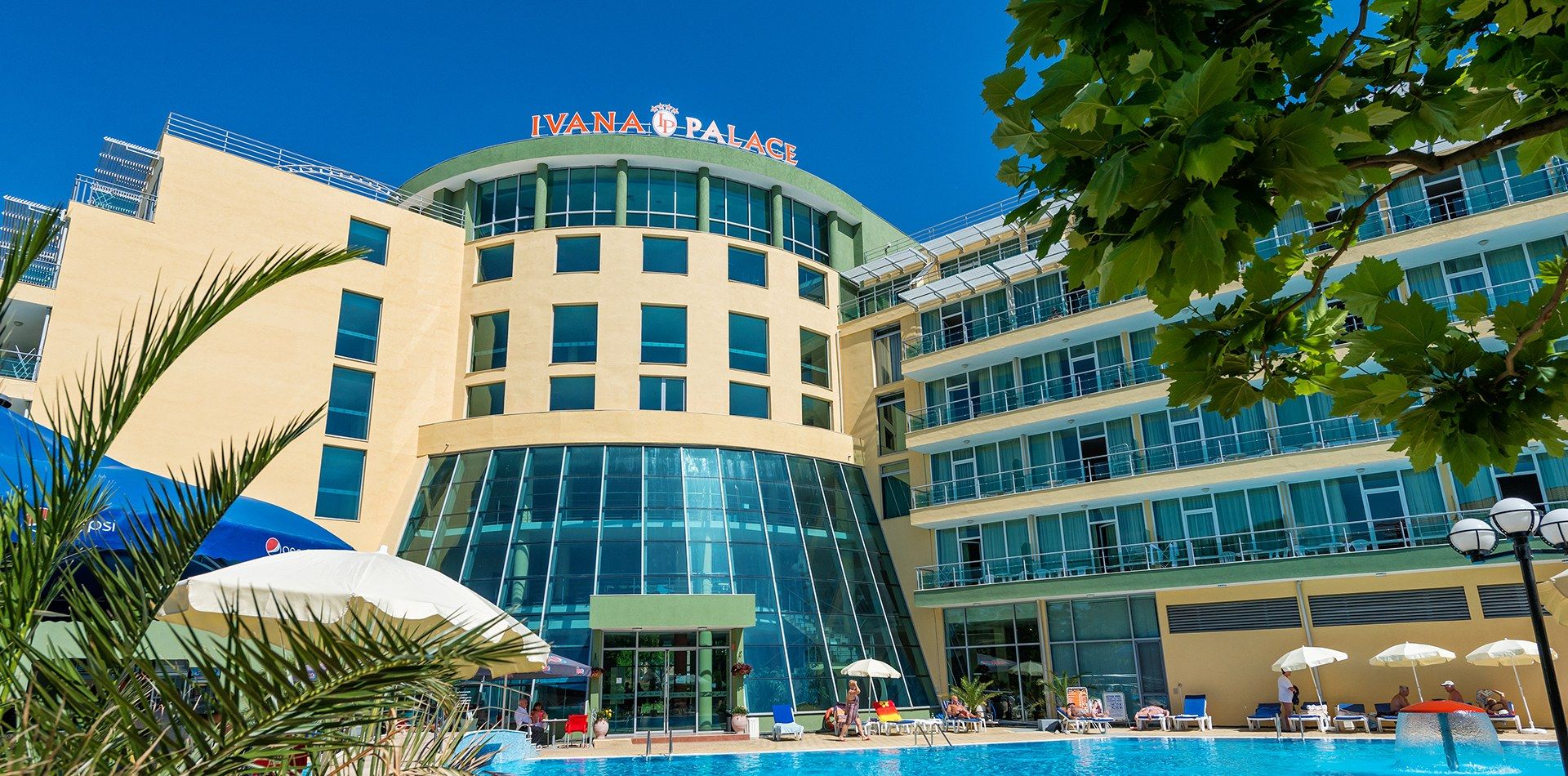
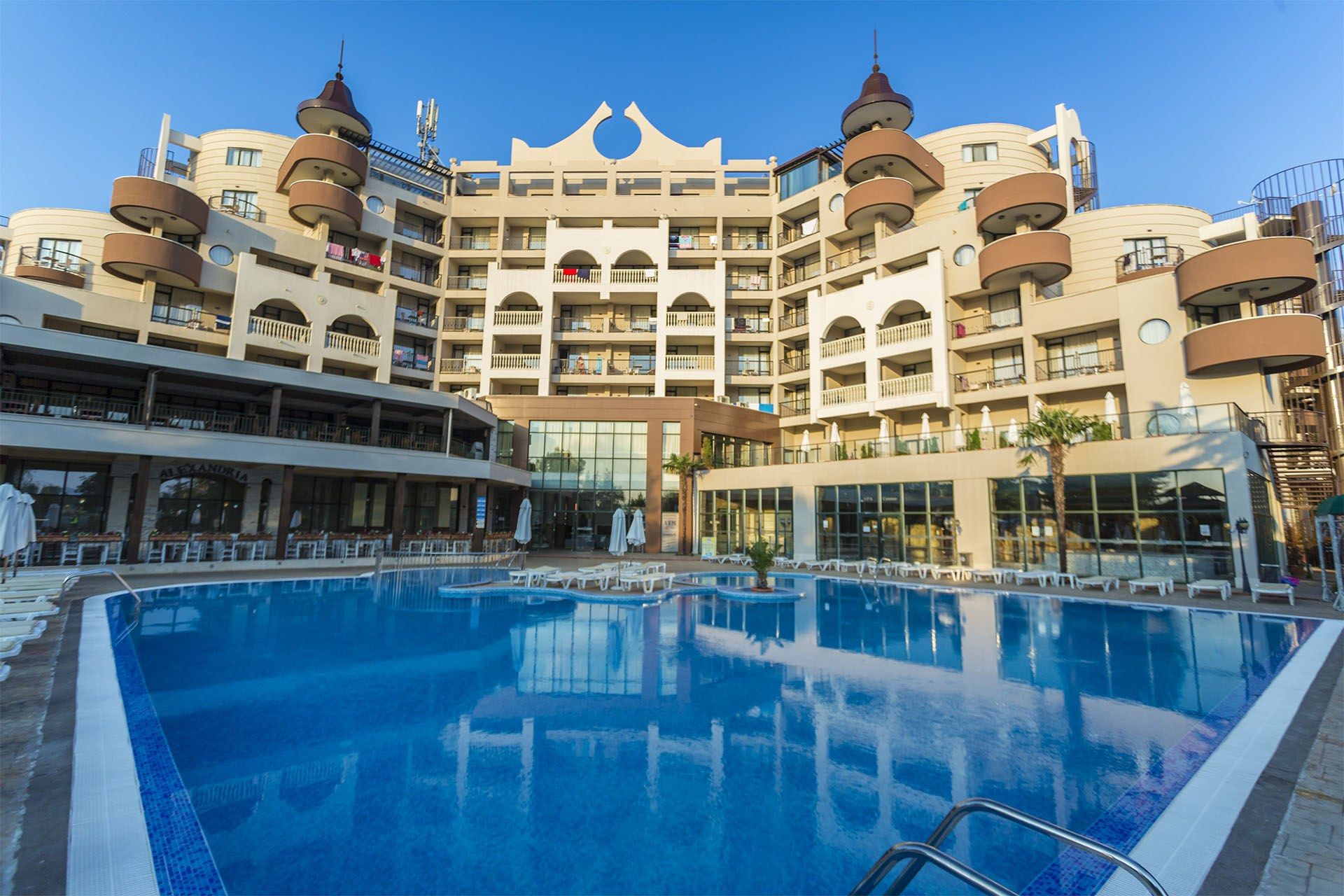
Burgas, Bulgaria's fourth-largest city, is the hub of the southern coast, with a long seafront park, the Sea Garden, and lakes known for their birdlife. About 30 km north, Sunny Beach is the country's largest resort, with a 10 km beach. Next door, Old Nessebar fills a small rocky peninsula: a town founded about 3,200 years ago, with medieval churches such as Christ Pantocrator, and UNESCO-listed since 1983.
Good to know
- Language: Bulgarian, written in Cyrillic
- Currency: euro (since 1 January 2026)
- Time: UK + 2 hours
- Electricity: 230 V, two-pin plugs (types C and F). Bring an adaptor
- Flights: direct from London, about 3½ hours to Sofia
- May on the coast: mild days of around 21 °C, sea still cool at about 16 °C